

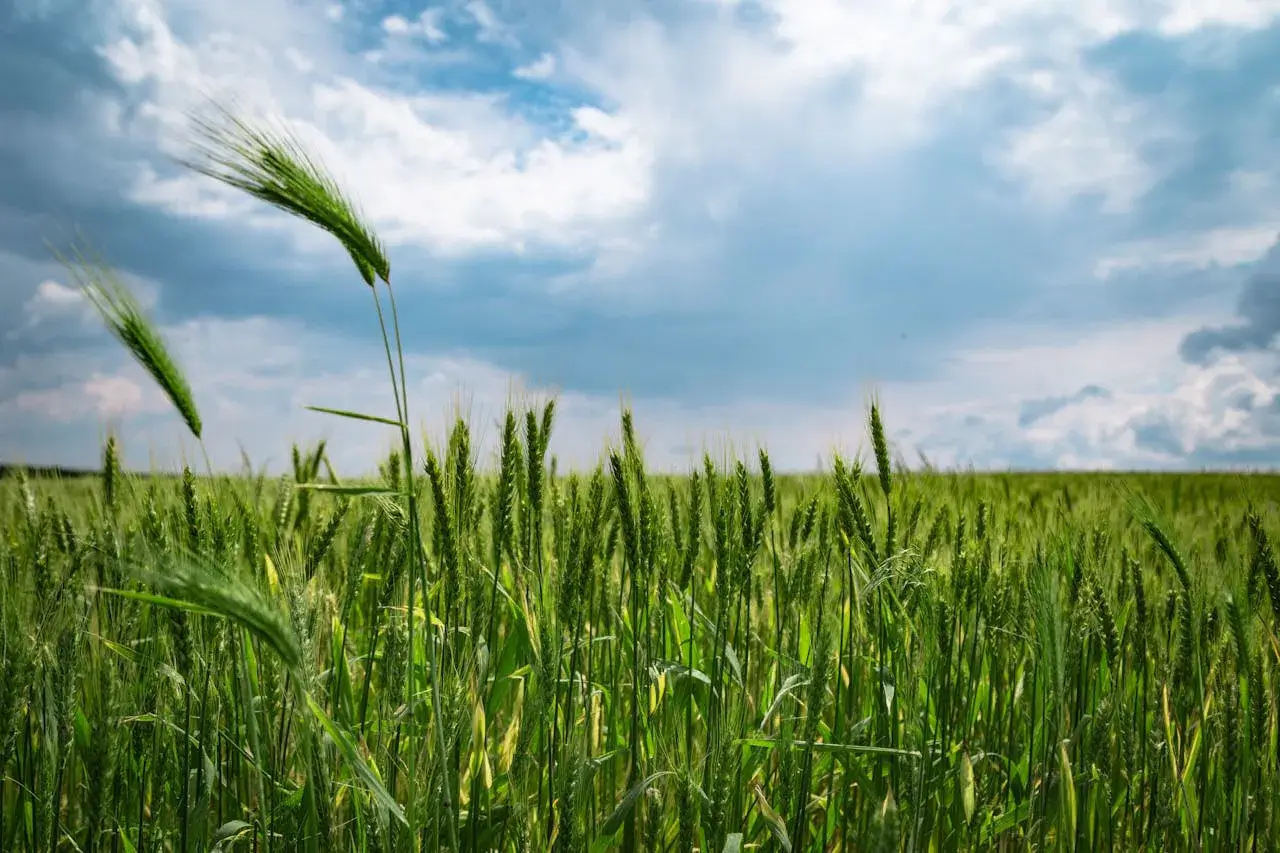
Agriculture plays a vital role in feeding the global population, but the way food is produced can have a significant impact on the environment. In recent years, organic farming has gained increasing attention as a sustainable and environmentally friendly approach to agriculture. By focusing on natural processes and reducing the use of synthetic chemicals, organic farming aims to protect soil health, biodiversity, and ecosystems while producing nutritious food.
Organic farming is often described as “Earth’s best friend” because it supports ecological balance and promotes sustainable agricultural systems. This farming method works in harmony with nature, allowing farms to remain productive while minimizing environmental damage.
What Is Organic Farming?
Organic farming is a system of agriculture that relies on natural inputs and biological processes rather than synthetic fertilizers, pesticides, or genetically modified organisms. It focuses on maintaining healthy soils, protecting biodiversity, and encouraging natural cycles that support plant growth.
Farmers practicing organic agriculture use techniques such as:
Crop rotation
Composting and organic manure
Biological pest control
Cover cropping
Natural soil fertility management
These practices help maintain soil nutrients while protecting crops from pests and diseases in a natural way.
Protecting Soil Health
Healthy soil is the foundation of successful agriculture, and organic farming places great importance on soil fertility. Instead of relying on chemical fertilizers, organic farmers improve soil health through organic matter such as compost, crop residues, and animal manure.
These natural inputs help increase microbial activity in the soil, improve soil structure, and enhance water retention. Over time, soils managed organically become more fertile and productive, supporting healthy plant growth without the need for synthetic chemicals.
Healthy soils also reduce erosion and help farms withstand environmental stresses such as drought.
Promoting Biodiversity
Organic farming systems often support greater biodiversity compared to conventional farming methods. Because organic farms avoid harmful chemicals, beneficial insects, birds, and microorganisms can thrive within the farming environment.
Biodiversity plays an important role in maintaining ecological balance. For example, beneficial insects help control pests naturally, reducing the need for chemical pesticides. Diverse plant species also contribute to soil health and provide habitats for wildlife.
By encouraging biodiversity, organic farming helps maintain natural ecosystems and promotes a healthier environment.
Reducing Environmental Pollution
One of the key benefits of organic farming is its ability to reduce environmental pollution. Conventional farming practices often rely heavily on synthetic fertilizers and pesticides, which can contaminate soil, water sources, and surrounding ecosystems.
Organic farming minimizes these risks by using natural inputs and sustainable farming practices. As a result, organic farms contribute less to water pollution and soil degradation, helping protect natural resources for future generations.
Cleaner water and healthier soil benefit not only agriculture but also surrounding communities and wildlife.
Producing Healthier Food
Many consumers choose organic food because it is produced without synthetic pesticides or artificial additives. Organic crops are grown using natural farming methods that prioritize soil health and ecological balance.
While both conventional and organic foods provide essential nutrients, organic farming practices often result in products that are perceived as healthier and more environmentally responsible.
The growing demand for organic food has also created new market opportunities for farmers who adopt sustainable agricultural practices.
Supporting Sustainable Agriculture
Organic farming is closely linked to the concept of sustainable agriculture. Sustainable farming systems aim to meet current food needs without compromising the ability of future generations to produce food.
By improving soil fertility, conserving water, and protecting biodiversity, organic farming helps create resilient agricultural systems that can remain productive over the long term.
Farmers who adopt organic practices often find that their farms become more balanced ecosystems that require fewer external inputs and maintain productivity naturally.
Challenges of Organic Farming
Despite its many benefits, organic farming also presents certain challenges. Farmers transitioning to organic systems may experience lower yields during the initial years as soils recover from previous chemical use.
Organic pest and weed management can also require more labor and careful monitoring compared to conventional methods. However, with proper knowledge and management practices, many farmers successfully overcome these challenges and build productive organic farms.
As research and innovation continue to improve organic farming techniques, these challenges are becoming easier to manage.
The Future of Organic Farming
The global interest in sustainable agriculture is driving continued growth in organic farming. Governments, research institutions, and agricultural organizations are investing in new methods that improve organic crop production and farm efficiency.
As consumers become more aware of environmental and health issues, demand for organic products continues to rise. This trend provides farmers with opportunities to enter high-value markets while contributing to environmental protection.
Organic farming represents a pathway toward more sustainable food systems that benefit both people and the planet.
Conclusion
Organic farming demonstrates how agriculture can work in harmony with nature while maintaining productive farming systems. By protecting soil health, encouraging biodiversity, reducing pollution, and promoting sustainable practices, organic farming truly acts as Earth’s best friend.
As the world seeks solutions to environmental challenges and food security concerns, organic farming offers a promising model for building resilient agricultural systems. Through education, innovation, and responsible land management, farmers can continue to produce food while preserving the natural resources that sustain life.
At Global Farm Value, understanding sustainable agricultural practices such as organic farming is an important step toward building a healthier planet and a more secure future for agriculture.