

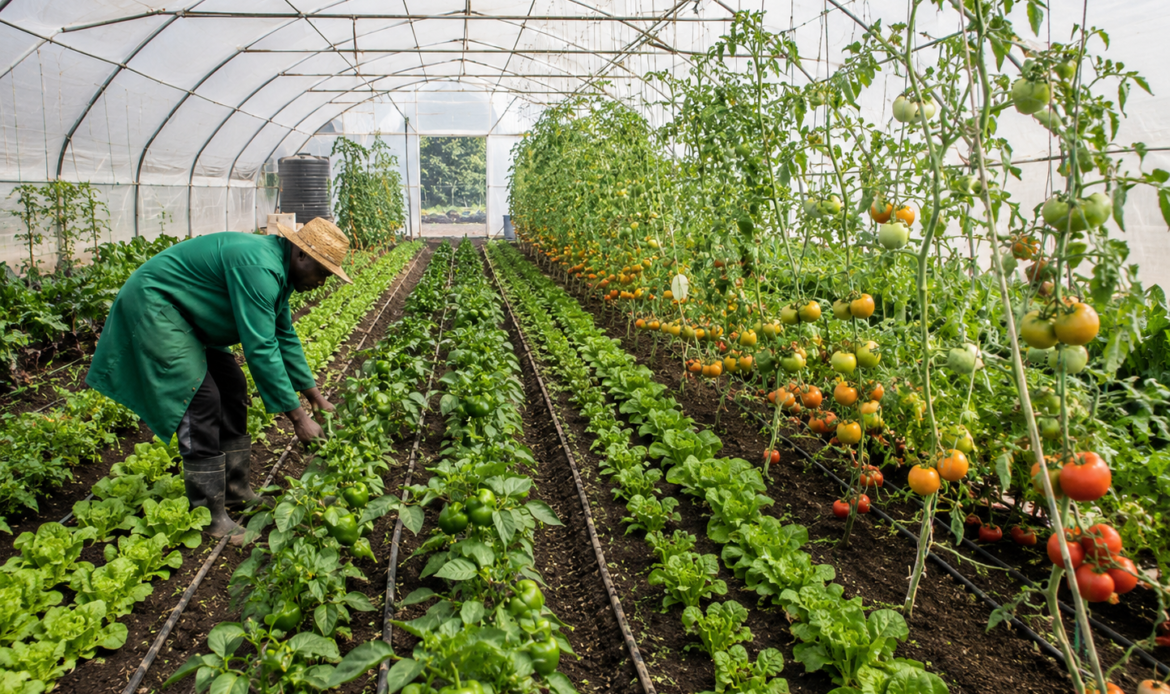
The first time I heard about greenhouse farming, I honestly thought it was only for large agricultural companies with huge budgets. I used to see pictures of vegetables growing neatly inside covered structures and assumed it was too expensive or too complicated for an average person to start.
Then I started paying more attention and speaking with people already involved in it. That was when I realized something interesting: greenhouse farming is not really about having a massive farm. It is more about controlling the environment so crops can grow under better conditions.
I also learned that many beginners enter greenhouse farming expecting quick profits, only to become frustrated because they rushed into it without understanding how it actually works. If you are considering greenhouse farming in Nigeria, this guide will help you understand the process, costs, and practical things you need to know before getting started.
What Is Greenhouse Farming?
Greenhouse farming is a method of growing crops inside a structure covered with materials such as plastic sheets or special netting. Instead of depending entirely on natural weather conditions, the farmer creates a more controlled environment for plants.
Inside a greenhouse, factors such as temperature, humidity, water supply, and even pests can be managed more effectively.
The main goal is simple: help crops grow under conditions that encourage healthier plants and better yields.
In Nigeria, greenhouse farming has become increasingly popular because weather patterns are becoming less predictable. Excess rainfall, extreme heat, and pest problems affect traditional farming, and many farmers are looking for ways to reduce these risks.
How Greenhouse Farming Actually Works
When I first tried to understand greenhouse farming, I thought the structure itself was doing all the work. But the greenhouse is only one part of the system.
The process works by creating a protected growing environment.
Sunlight enters through the covering material and warms the space inside. The structure helps maintain suitable temperatures while reducing exposure to harsh weather conditions.
Instead of relying only on rainfall, water is supplied through irrigation systems, often drip irrigation. This gives crops water directly at the roots and reduces waste.
Because plants are growing in a controlled environment, farmers can manage conditions more efficiently and reduce losses caused by insects and diseases.
That does not mean problems completely disappear. It simply gives you more control compared to open-field farming.
Choosing a Suitable Location
One mistake some people make is assuming they can place a greenhouse anywhere.
Location matters.
You need land that receives good sunlight throughout the day because plants still depend heavily on sunlight for growth.
The area should also have:
Reliable access to water
Good drainage
Easy road access
Security
Power supply if certain equipment will be used
I once spoke with a farmer who built a greenhouse in a place that looked affordable at first, but later realized transporting materials and harvested crops became stressful and expensive.
Sometimes cheap land becomes expensive in the long run.
Selecting Crops for Greenhouse Farming in Nigeria
Not every crop is commonly grown inside a greenhouse.
In Nigeria, greenhouse farmers usually focus on crops with high demand and good market value.
Popular choices include:
Tomatoes
Sweet peppers
Cucumbers
Lettuce
Strawberries
Green vegetables
Tomatoes are particularly common because demand remains high throughout the year.
Many farmers choose crops that can produce multiple harvests within a season.
Greenhouse Structure and Setup
The greenhouse itself is usually built with a metal frame covered with special materials.
The setup generally includes:
The frame structure
Plastic covering material
Ventilation system
Drip irrigation system
Water storage
Growing beds
Walkways
The size of the structure depends on your budget and goals.
Beginners often make the mistake of wanting a very large greenhouse immediately.
Starting smaller can help you learn and reduce risk.
Irrigation System
One thing I found interesting about greenhouse farming is how carefully water is managed.
Instead of flooding crops with water, drip irrigation is commonly used.
This system delivers water slowly and directly to plant roots.
The benefits include:
Reduced water waste
Better nutrient delivery
Healthier plant growth
Lower weed growth
This is one reason greenhouse farming often produces higher yields compared to traditional farming methods.
Managing Temperature and Ventilation
Temperature control is important because excessive heat can damage crops.
Nigeria already experiences high temperatures in many areas, so greenhouse farmers pay attention to ventilation.
Methods commonly used include:
Side ventilation openings
Protective netting
Fans in larger systems
Shading materials
Without proper airflow, the greenhouse can become too hot for plants.
Pest and Disease Control
One thing beginners often misunderstand is believing greenhouse farming completely eliminates pests.
It does not.
The difference is that the controlled environment helps reduce exposure.
Farmers still monitor crops regularly and apply preventive measures when necessary.
Good practices include:
Removing unhealthy plants
Maintaining cleanliness
Inspecting crops frequently
Using appropriate treatments when needed
Prevention is usually cheaper than solving a major outbreak later.
Costs of Starting Greenhouse Farming in Nigeria
One of the first questions people ask is how much it costs.
The answer depends on factors such as:
Size of greenhouse
Location
Type of materials used
Irrigation setup
Crop choice
Labor costs
Initial investment can feel high compared to traditional farming, which is why many people hesitate.
But greenhouse farming focuses on increasing productivity and reducing losses.
Is Greenhouse Farming Profitable?
From what I have learned, profitability depends less on simply owning a greenhouse and more on management.
People sometimes assume the structure automatically creates profit.
That is not true.
Profit depends on:
Choosing the right crops
Understanding market demand
Managing costs
Maintaining crop health
Selling at the right time
Farmers who treat greenhouse farming like a business usually perform better than those who simply experiment without planning.
Final Thoughts
Greenhouse farming in Nigeria is growing because it helps farmers gain more control over production. Weather becomes less of a problem, water can be used more efficiently, and crop yields can improve significantly.
But like many things in agriculture, success is rarely about jumping in quickly.
If I have learned anything, it is that understanding the system before investing money saves a lot of stress later.
Start with research, understand the process, and begin at a scale you can manage comfortably. Over time, experience will teach you what adjustments work best.