

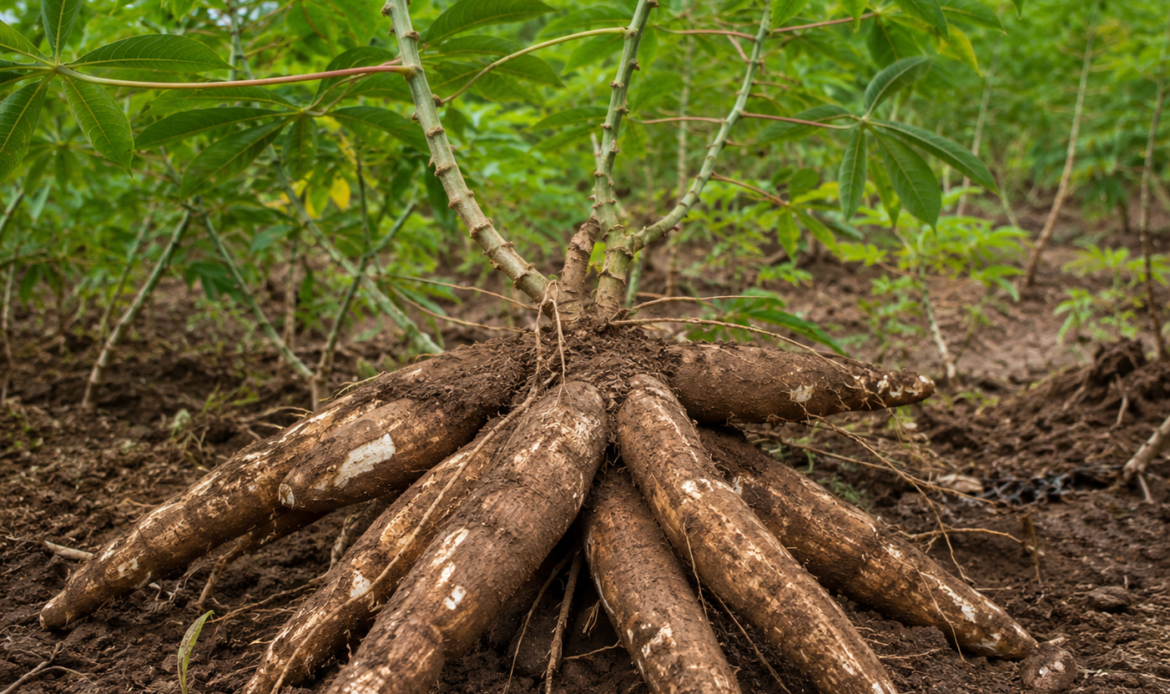
When I first decided to start cassava farming, I thought it was one of the easiest crops to grow. I had heard people say cassava grows almost anywhere, so I assumed all I needed was land and planting stems. But after my first season, I realized that while cassava is resilient, making real profit from it requires proper planning and understanding of costs.
I made a few mistakes early on. I underestimated labor, ignored soil quality, and didn’t plan my expenses properly. The result was a farm that survived, but didn’t perform as well as it should have. Over time, I adjusted my approach, and the difference became clear. If you are thinking about starting a cassava farm, this breakdown will help you understand what really goes into it so you can start the right way.
Cost of Land and What to Consider
The first thing you will need is land, and this is where your entire farming experience begins. When I started, I rushed into getting land without properly checking the soil or location. Later, I realized that not all land is suitable for cassava, even though the crop is known to be hardy.
Cassava grows best in well-drained soil. If the land retains too much water, the roots may rot, and your yield will suffer. I learned this the hard way after planting on land that looked fine on the surface but had poor drainage.
Another important factor is location. Land closer to roads or markets may cost more, but it saves you money and stress during harvesting and transportation. If your farm is too far or difficult to access, moving your produce becomes a challenge.
You can either lease or buy land. Leasing is usually the better option for beginners because it requires less capital and allows you to learn without taking big risks. Buying land makes more sense if you plan to farm long-term.
Labor Costs and Why They Matter More Than You Think
One of my biggest mistakes was underestimating labor. I assumed I could handle most of the work myself or spend very little on hiring help. That assumption quickly failed.
Cassava farming involves several stages that require labor. You need people to clear the land, prepare the soil, plant the stems, control weeds, and eventually harvest the crop. Each of these stages requires time and effort, and if you delay any of them, it affects your results.
Weeding, in particular, is something you cannot afford to ignore. During my first attempt, I delayed weeding to save money, and weeds took over parts of the farm. They competed with the cassava for nutrients and reduced my yield significantly.
Now, I plan labor costs from the beginning. Even if you want to minimize expenses, you should not compromise on essential activities like land preparation and weeding.
Inputs and Their Impact on Your Yield
Inputs are where the success of your cassava farm is largely determined. When I started, I did not pay enough attention to the quality of inputs, especially planting materials. I used stems that were easy to get, without considering their quality or variety.
Later, I realized that using improved cassava stems makes a big difference. Good stems have higher yield potential, better resistance to disease, and more uniform growth. Investing in quality planting material is one of the smartest decisions you can make.
Fertilizer is another factor to consider. Some farmers skip fertilizer completely, especially if the soil looks fertile. While cassava can grow without it, adding nutrients improves yield and root quality. I began to see better results when I started applying fertilizer properly.
Weed control is also part of your input cost. You can rely on manual weeding, herbicides, or a combination of both. From my experience, combining both methods works best. Early herbicide application helps control initial weed growth, while manual weeding ensures the farm stays clean as the cassava develops.
Land Preparation and Setup
Before planting, the land must be properly prepared. This stage sets the foundation for everything that follows. Initially, I underestimated this step and did only basic clearing. Later, I realized that proper land preparation improves root development and overall yield.
Land preparation includes clearing vegetation, tilling the soil, and in some cases, creating ridges. You can do this manually or use machines like tractors. Mechanized preparation is faster and more efficient, especially for larger farms, but it costs more. Manual preparation is cheaper but requires more time and labor.
The choice depends on your budget and scale, but what matters most is that the soil is properly loosened and ready for planting.
Putting the Costs Together
When you look at cassava farming as a whole, the major cost areas are land, labor, and inputs. Land is usually a one-time or seasonal cost depending on whether you lease or buy. Labor is an ongoing expense that you must plan carefully. Inputs such as stems, fertilizer, and weed control materials directly affect your output.
What I learned from experience is that cassava farming is not necessarily expensive, but poor planning makes it costly. If you ignore key areas like good planting material or timely weeding, you may end up spending more later trying to fix problems.
What Changed My Results
After my first attempt, I made a few important changes. I started choosing land more carefully, paying attention to soil and location. I began using improved cassava stems instead of whatever was available. I also stopped delaying important activities like weeding and started budgeting for labor properly.
These changes did not just improve my yield, they also made the entire farming process more predictable and less stressful.
Final Thoughts
Cassava farming can be a profitable venture if you approach it with the right mindset. It is not just about planting and waiting for harvest. It requires planning, attention to detail, and a willingness to learn from experience.
If you are starting out, focus on getting the basics right. Choose good land, invest in quality inputs, and do not underestimate labor. Start on a scale you can manage, learn from each season, and improve gradually.
That is how I moved from a disappointing first attempt to a more productive and rewarding farming experience.