


Modern farming innovations are revolutionizing global agriculture through agricultural technology breakthroughs that enable farmers to produce 30-50% more food using 20-40% fewer resources while simultaneously reducing environmental impacts, improving product quality, and enhancing farm profitability across operations of all sizes from 10-acre vegetable farms to 10,000-acre grain operations.
Advanced agritech solutions including precision agriculture systems delivering site-specific management, autonomous equipment reducing labor requirements by 40-70%, artificial intelligence predicting optimal planting and harvest timing within 24-hour windows, vertical farming producing 100-400 times more food per square foot than traditional methods, gene editing creating drought-resistant and nutrient-enhanced crops, blockchain ensuring supply chain transparency and food safety, and Internet of Things sensors monitoring every aspect of crop and livestock health in real-time are transforming farming from experience-based practices refined over generations into data-driven precision operations where every seed, drop of water, and ounce of fertilizer is optimally deployed to maximize yields while minimizing waste and environmental footprint.
These agricultural technology advances matter profoundly because global population reaching 9.7 billion by 2050 requires 50-70% more food production while climate change disrupts traditional growing patterns, freshwater scarcity limits irrigation expansion, arable land availability declines due to urbanization and degradation, and environmental regulations rightfully constrain agricultural impacts on water quality, greenhouse gas emissions, and biodiversity.
Agritech adoption accelerates worldwide as farmers recognize that modern farming innovations provide competitive advantages impossible to achieve through traditional methods alone, with research from agricultural universities, USDA Agricultural Research Service, international agricultural development organizations, and commercial technology companies consistently demonstrating that technology-enabled farms outperform conventional operations across productivity metrics achieving 15-35% higher yields per acre, resource efficiency improvements including 25-45% water savings and 30-50% fertilizer reductions, labor productivity gains enabling one farmer to manage 2-5 times more acreage, quality enhancements producing premium products commanding 20-60% price premiums, and risk mitigation through early problem detection, climate adaptation, and market intelligence providing competitive resilience during disruptions.
Whether you’re a large-scale commodity producer evaluating $500,000 investments in autonomous equipment and comprehensive farm management platforms, a medium-sized diversified farmer implementing $50,000-$150,000 in precision agriculture systems and monitoring technology, or a small specialty crop grower adopting $5,000-$25,000 in smartphone-based scouting apps, soil sensors, and targeted automation, understanding how emerging agricultural technologies create value through improved decision-making, optimized resource allocation, reduced losses, and enhanced market positioning enables strategic investment in innovations delivering measurable returns while positioning farms for long-term competitiveness in increasingly technology-driven global agriculture where data mastery, automation capabilities, and sustainability credentials separate thriving operations from struggling competitors unable to match efficiency and quality standards that modern consumers and markets increasingly demand.
Precision Agriculture: Site-Specific Management at Scale
Precision agriculture represents the foundational modern farming innovation enabling farmers to manage field variability rather than treating diverse soils and terrain uniformly:
GPS and Auto-Steer Technology
Core Capabilities:
- Sub-inch accuracy GPS guidance for tractors and implements
- Automatic steering reducing operator fatigue and improving precision
- Elimination of skips, overlaps, and crop damage
- Nighttime and low-visibility operation capability
Productivity Impact:
- Input savings: 5-15% through eliminated overlaps
- Increased operating speed: 10-25% from reduced operator stress
- Extended work windows: Night operations during critical planting/harvest periods
- Precision: ±1 inch accuracy vs. ±12 inches manual operation
Investment and Returns:
- Basic lightbar guidance: $3,000-$8,000
- Integrated auto-steer: $8,000-$25,000 per tractor
- RTK base station networks: $15,000-$50,000
- Payback period: 1-3 years through input savings and productivity gains
Adoption Impact: 65% of U.S. cropland now managed with GPS guidance, up from 10% in 2005, demonstrating rapid technology acceptance.
Variable Rate Technology
Application Areas:
- Seeding: Adjusting planting populations to soil productivity zones (15,000-40,000 seeds/acre corn based on capability)
- Fertilization: Matching nutrient applications to soil test results and yield potential
- Irrigation: Varying water delivery based on soil type, elevation, and crop needs
- Pest management: Spot-treating problem areas rather than blanket applications
Economic Benefits:
- Seed optimization: $15-$45/acre savings through proper population management
- Fertilizer efficiency: $25-$75/acre savings plus environmental benefits
- Pesticide reduction: 30-70% less chemical use through precision targeting
- Yield improvements: 8-18% from optimized inputs matching site potential
Technology Components:
- Soil mapping and sampling: $8-$15/acre one-time investment
- Yield monitors: $8,000-$20,000 per combine
- Variable rate controllers: $12,000-$35,000
- Prescription mapping software: $500-$5,000 annually
Example: Iowa corn farmer using variable rate seeding and fertilization across 1,200 acres realized $18,000 annual input savings while increasing average yields from 185 to 203 bushels/acre, generating $32,000 additional revenue annually.
Remote Sensing and Imagery Analysis
Monitoring Technologies:
- Satellite imagery: Free to $3-$10/acre for premium services
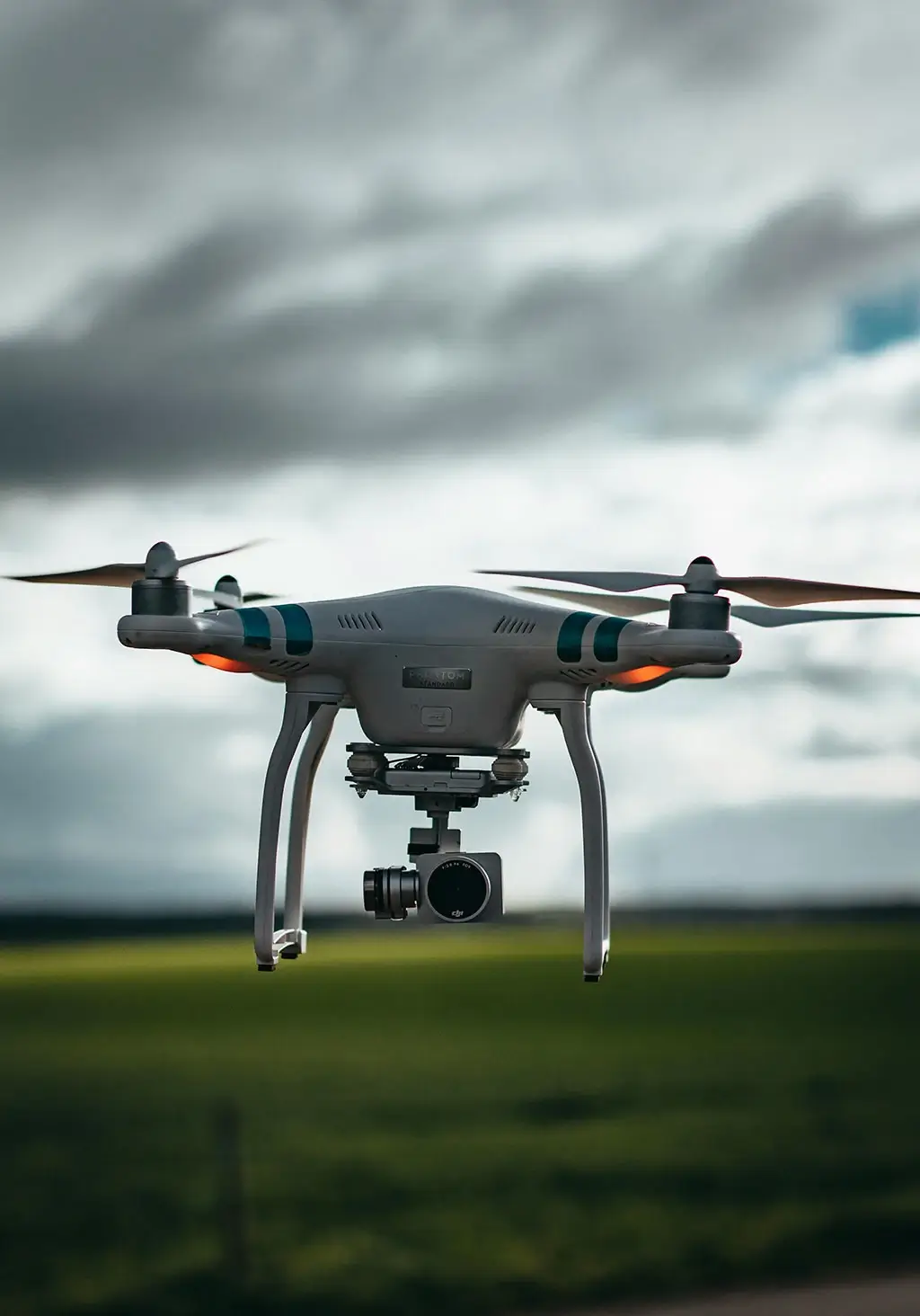
- Drone surveillance: $1,500-$25,000 for equipment or $5-$15/acre for services
- Multispectral and thermal cameras: Detecting plant stress before visible symptoms
- NDVI mapping: Quantifying crop health and vigor field-wide
Applications:
- Early disease detection: Identifying outbreaks 1-3 weeks before ground-visible
- Irrigation management: Pinpointing water stress and system malfunctions
- Nutrient deficiency identification: Targeted corrective applications
- Yield prediction: Estimating harvest volumes 2-4 weeks in advance
- Insurance documentation: Objective crop condition records
Value Proposition:
- Problem detection: 5-20% yield protection through early intervention
- Scouting efficiency: 70-90% time reduction for large acreage
- Data-driven decisions: Quantified condition assessment vs. subjective observation
- Record keeping: Historical imagery documenting management and conditions
Autonomous Equipment and Robotics
Agricultural robotics addresses labor shortages while improving precision and consistency:
Autonomous Tractors and Field Equipment
Current Technology:
- Semi-autonomous: Operator-supervised autonomous operation in field
- Fully autonomous: Unmanned operation with remote monitoring
- Swarm systems: Multiple small robots coordinating tasks
Capabilities:
- 24-hour operation during critical windows (planting, harvest)
- Consistent precision regardless of operator fatigue
- Multi-tasking: Simultaneous operations across multiple fields
- Safety improvements: Reduced operator exposure to hazards
Available Systems:
- John Deere Autonomous Tractor: Commercial availability 2022, $500,000+
- Monarch Tractor: Electric autonomous platform $50,000-$80,000
- Fendt Mars: Modular autonomous field robot
- Small autonomous weeders: $30,000-$150,000 (FarmWise, Nexus Robotics)
Labor Impact:
- Operator requirements: 40-70% reduction
- Task consistency: 95%+ precision vs. 70-85% human operation
- Productivity: 30-50% increase through extended hours and optimal patterns
Adoption Timeline: 15-25% of large-scale farms expected to operate autonomous equipment by 2030.
Robotic Harvesting
Specialty Crop Applications:
- Berry picking: Robots harvesting strawberries, blueberries at 85-95% human speed
- Apple harvesting: Vacuum and gripper systems approaching human efficiency
- Lettuce and vegetable cutting: Automated selective harvest at maturity
- Weeding: Precision mechanical and laser weed removal
Technology Examples:
- Abundant Robotics: Apple harvester $150,000-$300,000
- FFRobotics: Fresh fruit harvester adaptable to multiple crops
- Harvest CROO: Strawberry picker replacing 30 human workers
- Carbon Robotics: Laser weeder eliminating 80-95% of weeds
Labor Economics:
- Human harvest labor: $15-$25/hour with availability challenges
- Robotic harvest: $50,000-$300,000 capital investment
- Breakeven: 2-5 years for medium to large operations
- Advantage: Consistency, 24-hour operation, labor independence
Market Growth: Agricultural robotics market projected $20 billion by 2025, up from $4.6 billion in 2020.
Livestock Management Automation
Dairy Automation:
- Robotic milking systems: $150,000-$250,000 per unit milking 60-80 cows
- Automated feeding: Precision delivery of customized rations
- Health monitoring: Activity sensors detecting illness and estrus
- Manure management: Robotic cleaners maintaining barn hygiene
Benefits:
- Labor reduction: 50-70% decrease in milking labor
- Production increase: 5-15% more milk from reduced stress and optimal milking
- Animal health: Early disease detection through continuous monitoring
- Quality of life: Elimination of rigid twice-daily milking schedule
Beef and Swine Systems:
- Automated feeding and watering
- Weight monitoring and sorting
- Health surveillance through behavior analysis
- Climate control optimization
Artificial Intelligence and Machine Learning
AI transforms agricultural data into actionable intelligence:
Crop Management Decision Support
Prediction Capabilities:
- Yield forecasting: 85-95% accuracy 4-8 weeks pre-harvest
- Optimal planting windows: Integrating weather, soil conditions, equipment availability
- Harvest timing: Predicting ideal maturity within 24-48 hour windows
- Disease risk models: Forecasting outbreaks based on weather patterns
AI-Powered Platforms:
- Climate FieldView: Integrated farm management with AI recommendations
- IBM Watson Decision Platform for Agriculture: Weather, imagery, and agronomic AI
- Taranis: AI pest and disease detection from aerial imagery
- aWhere: Precision weather and agronomic intelligence
Value Creation:
- Timing optimization: 3-8% yield improvements from ideal planting/harvest decisions
- Risk reduction: 20-40% lower losses from weather-related issues
- Input optimization: 15-30% efficiency gains through AI-recommended applications
- Market timing: Better pricing through harvest timing and storage decisions
Computer Vision for Quality Assessment
Applications:
- Automated sorting and grading: Replacing manual inspection
- Quality prediction: Estimating shelf life and optimal harvest timing
- Defect detection: Identifying disease, damage, or contamination
- Consistency assurance: Meeting buyer specifications
Technology Deployment:
- Packing line vision systems: $50,000-$200,000
- Field scouting image analysis: Smartphone apps $5-$50/month
- Livestock body condition scoring: Camera systems analyzing animal health
- Grain quality assessment: Real-time protein and moisture analysis
Quality and Value Impact:
- Grading accuracy: 95-99% vs. 85-92% human inspection
- Throughput: 2-5x faster than manual processes
- Premium capture: Better segregation enabling premium markets
- Waste reduction: 15-35% less product discarded through improved detection
Predictive Analytics for Farm Management
Data Integration:
- Historical farm records: Yields, inputs, practices
- Weather data: Historical patterns and forecasts
- Soil information: Detailed mapping and testing
- Market intelligence: Price trends and demand forecasts
- Equipment data: Performance and maintenance needs
Insights Generated:
- Hybrid/variety selection: AI recommending optimal genetics by field zone
- Input prescriptions: Customized fertilizer, pesticide applications
- Equipment maintenance: Predictive alerts preventing breakdowns
- Financial planning: Cash flow forecasting and scenario analysis
Business Impact:
- Strategic decision quality: 25-40% improvement in outcome metrics
- Risk management: Earlier awareness of developing issues
- Resource allocation: Optimized investment across competing priorities
Controlled Environment Agriculture
Indoor and vertical farming enables year-round production with maximum resource efficiency:
Vertical Farming Systems
Technology Description:
- Multi-layer growing systems maximizing space utilization
- LED lighting optimized for plant growth spectrums
- Hydroponic or aeroponic nutrient delivery
- Climate control creating ideal growing conditions
- Automated monitoring and adjustment
Productivity Advantages:
- Land efficiency: 100-400x more production per square foot than field farming
- Water efficiency: 90-95% less water through recirculation
- Year-round production: 12+ harvests annually vs. 1-3 field crops
- No pesticides: Controlled environment eliminating most pests
- Location flexibility: Urban production near consumers
Economics:
- Capital intensity: $100-$500 per square foot facility construction
- Operating costs: Energy (lighting, climate) $2-$8 per pound of produce
- Competitive products: Leafy greens, herbs, berries, microgreens
- Market positioning: Premium local, pesticide-free, consistent year-round supply
Industry Growth: Vertical farming market expected to reach $20+ billion by 2026, driven by urban demand for local produce.
Greenhouse Technology Advancement
High-Tech Greenhouses:
- Automated climate control (temperature, humidity, CO₂)
- Precision irrigation and fertigation
- Supplemental LED lighting
- Energy-efficient heating and cooling
- Integrated pest management systems
Compared to Traditional Greenhouses:
- Yield increase: 25-60% through optimal conditions
- Resource efficiency: 30-50% less water and fertilizer
- Quality consistency: Year-round premium production
- Labor efficiency: 40-60% reduction through automation
Investment and Returns:
- Technology upgrades: $5-$25 per square foot
- Productivity gains: 30-70% revenue increase
- Payback period: 2-5 years
- Best applications: High-value crops (tomatoes, peppers, cucumbers, ornamentals)
Biotechnology and Gene Editing
Modern breeding technologies accelerating crop improvement:
CRISPR and Precision Gene Editing
Capabilities:
- Targeted genetic modifications with precision
- Faster variety development (5-7 years vs. 10-15 traditional breeding)
- Multiple trait stacking
- No foreign DNA introduction (unlike GMOs)
Agricultural Applications:
- Drought tolerance: 15-30% better yields under water stress
- Disease resistance: Durable resistance to viruses, bacteria, fungi
- Nutritional enhancement: Higher vitamins, minerals, beneficial compounds
- Climate adaptation: Heat, cold, flood tolerance
- Improved quality: Flavor, shelf life, processing characteristics
Regulatory Environment:
- U.S. and many countries: Regulated as conventional breeding (lighter regulation than GMOs)
- Market acceptance: Growing, especially with clear consumer benefits
- Safety track record: Extensive testing showing equivalence to traditional methods
Examples in Development or Commercialization:
- Drought-tolerant corn and wheat
- Disease-resistant tomatoes and potatoes
- High-oleic soybeans for healthier oil
- Non-browning mushrooms and apples
- Allergen-reduced peanuts
Genomic Selection
Technology:
- DNA analysis identifying beneficial gene markers
- Predictive breeding based on genetic profiles
- Accelerated variety development
- Precision trait selection
Impact on Plant Breeding:
- Development speed: 50-70% faster variety release
- Success rate: 2-3x higher proportion of superior candidates
- Cost efficiency: 30-50% lower per variety
- Trait complexity: Ability to combine multiple characteristics
Digital Agriculture Platforms
Integrated farm management systems connecting all farm data:
Comprehensive Farm Management Software
Platform Capabilities:
- Field mapping and record keeping
- Input tracking and application records
- Yield data integration and analysis
- Financial management and reporting
- Regulatory compliance documentation
- Equipment monitoring and maintenance
- Labor tracking and management
Leading Platforms:
- Climate FieldView (Bayer): $3-$10/acre annually
- Granular (Corteva): $2,500-$15,000 annually based on operation size
- FarmLogs: $500-$3,000 annually
- Conservis: $3,000-$20,000 annually
- Trimble Ag Software: Integrated with equipment systems
Value Delivered:
- Decision quality: Centralized data improving choices
- Time savings: 50-70% reduction in record-keeping time
- Compliance: Simplified regulatory reporting
- Financial insight: Real-time profitability by field and enterprise
- Operational efficiency: Optimized scheduling and resource allocation
Internet of Things (IoT) Sensors
Sensor Applications:
- Soil moisture and temperature: Optimizing irrigation
- Weather stations: Hyperlocal climate monitoring
- Tank levels: Fuel, water, chemical inventory management
- Equipment diagnostics: Real-time performance and maintenance alerts
- Livestock monitoring: Health, location, behavior tracking
Network Infrastructure:
- Cellular connectivity: Where coverage available
- LoRaWAN networks: Low-power, long-range rural connectivity
- Satellite IoT: Emerging for remote locations
- Farm mesh networks: Proprietary systems covering property
Implementation and Returns:
- Sensor costs: $50-$500 per unit depending on complexity
- Network fees: $5-$25 per sensor monthly
- Installation: Often DIY or included in service
- Payback: 1-3 years through resource optimization and problem prevention
Blockchain and Supply Chain Transparency
Distributed ledger technology ensuring food traceability and value capture:
Farm-to-Consumer Traceability
Blockchain Applications:
- Complete production history tracking
- Instant recall capability identifying exact source
- Verification of organic, sustainable, or other certifications
- Provenance documentation for premium products
Technology Deployment:
- IBM Food Trust: Walmart, Carrefour, others implementing
- Ripe.io: Specialty crop traceability platform
- AgriDigital: Grain supply chain platform
- BeefChain: Livestock tracking and marketing
Value Creation:
- Premium markets: 10-30% price premiums for verified sustainable/organic
- Recall efficiency: Minutes to identify source vs. days or weeks traditionally
- Consumer trust: Transparency building brand loyalty
- Market access: Meeting retailer and export requirements
Smart Contracts and Transactions
Agricultural Finance:
- Automated payments upon delivery and quality verification
- Crop insurance triggers based on weather data
- Futures contracts and hedging
- Input financing and repayment
Efficiency Gains:
- Transaction costs: 40-70% reduction in intermediary fees
- Payment speed: Instant settlement vs. 30-90 day terms
- Transparency: All parties see identical transaction records
- Dispute resolution: Objective data reducing conflicts
Adoption Strategies for Modern Farming Innovations
Assessing Technology Fit
Evaluation Criteria:
- Problem addressed: Clear pain point or opportunity
- ROI potential: Payback period <5 years
- Scalability: Appropriate for operation size
- Integration: Compatibility with existing systems
- Support: Vendor viability and service quality
- Learning curve: Reasonable training requirements
Prioritization Framework:
- High-impact, proven technologies first (GPS guidance, yield monitoring)
- Technologies addressing biggest operational challenges
- Innovations with shortest payback periods
- Solutions leveraging existing data/infrastructure
- Emerging technologies with demonstrated commercial success
Phased Implementation
Year 1: Foundation:
- GPS guidance and basic precision ag
- Farm management software
- Soil mapping and testing
- Investment: $15,000-$50,000
- Expected returns: 5-15% input savings, improved records
Year 2-3: Expansion:
- Variable rate application systems
- Remote sensing/imagery services
- IoT sensors for critical monitoring
- Investment: $25,000-$100,000
- Expected returns: 8-18% yield improvements, 15-25% input optimization
Year 4-5: Advanced Systems:
- AI decision support platforms
- Automated/robotic systems for specific tasks
- Advanced data integration and analytics
- Investment: $50,000-$300,000
- Expected returns: 15-30% overall efficiency gains
Financing Agricultural Technology
Funding Sources:
- Operating loans: Immediate capital for purchases
- Equipment financing: 3-7 year terms for hardware
- Cost-share programs: NRCS EQIP covering 50-75% of precision ag
- Technology leasing: Lower upfront cost, regular upgrades
- Revenue-based financing: Payments tied to production value
Grant Opportunities:
- USDA Rural Development grants
- State agricultural innovation programs
- Conservation technology incentives
- Research partnerships with universities
Conclusion
Modern farming innovations including precision agriculture delivering site-specific management, autonomous equipment reducing labor requirements while improving consistency, artificial intelligence optimizing every farm decision, controlled environment agriculture producing 100-400x more per square foot, gene editing creating climate-resilient and nutritionally enhanced crops, and blockchain ensuring supply chain transparency are fundamentally transforming agriculture into a data-driven, highly efficient, environmentally sustainable industry capable of feeding growing global populations while reducing resource consumption and environmental impacts. Agricultural technology adoption accelerates as farmers recognize that agritech provides competitive advantages through 15-35% productivity improvements, 20-40% resource efficiency gains, 40-70% labor savings in specific operations, and enhanced market positioning through quality, sustainability, and traceability credentials.
Whether investing $5,000 in entry-level precision agriculture tools, $50,000-$150,000 in comprehensive farm management systems and monitoring technology, or $500,000+ in autonomous equipment and advanced automation, modern farming innovations deliver measurable returns through improved decision-making quality, optimized resource allocation, reduced losses from pests and weather, enhanced product quality commanding premium prices, and operational efficiencies impossible to achieve through traditional methods alone. Strategic agritech adoption following phased implementation approaches, rigorous ROI evaluation, adequate training and support, and integration with proven agronomic practices positions farms for long-term competitiveness in increasingly technology-driven global agriculture where data mastery, automation capabilities, and sustainability performance separate thriving operations from struggling competitors unable to match the efficiency, quality, and environmental standards that modern consumers, retailers, and societies increasingly demand from food production systems.