

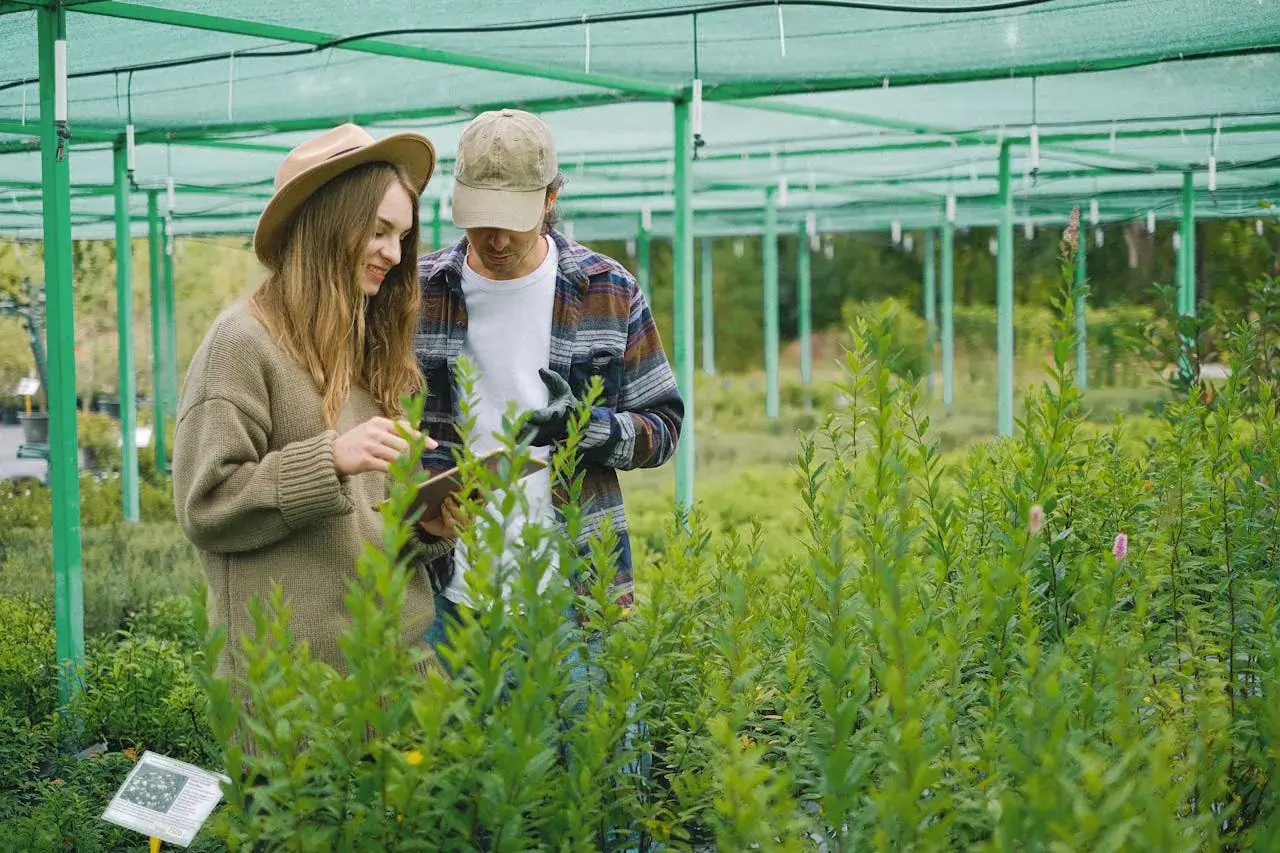
Advancing Sustainable Agriculture Through Smart Practices
Organic crop management has evolved significantly in recent years as farmers seek sustainable ways to grow food while protecting soil health, biodiversity, and long-term farm productivity. Unlike conventional farming systems that often rely heavily on synthetic chemicals, organic agriculture focuses on natural processes, biological solutions, and improved farm management techniques.
Innovations in organic crop management are helping farmers produce healthier crops while reducing environmental impact and improving farm resilience. These advancements combine traditional agricultural wisdom with modern scientific knowledge to create efficient and sustainable farming systems.
Improving Soil Health Through Biological Practices
Healthy soil is the foundation of successful organic farming.
- Modern organic crop management emphasizes building soil fertility through natural methods rather than relying on synthetic fertilizers.

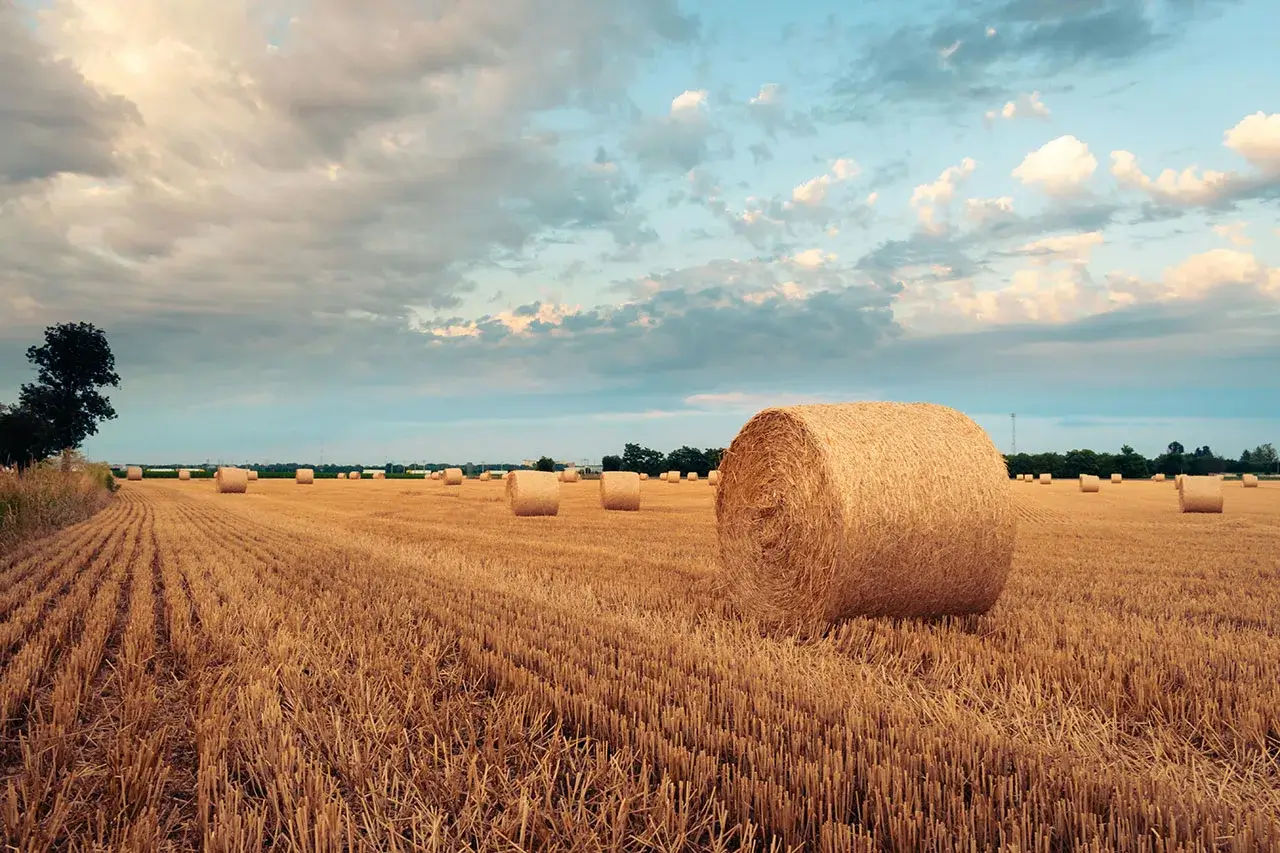
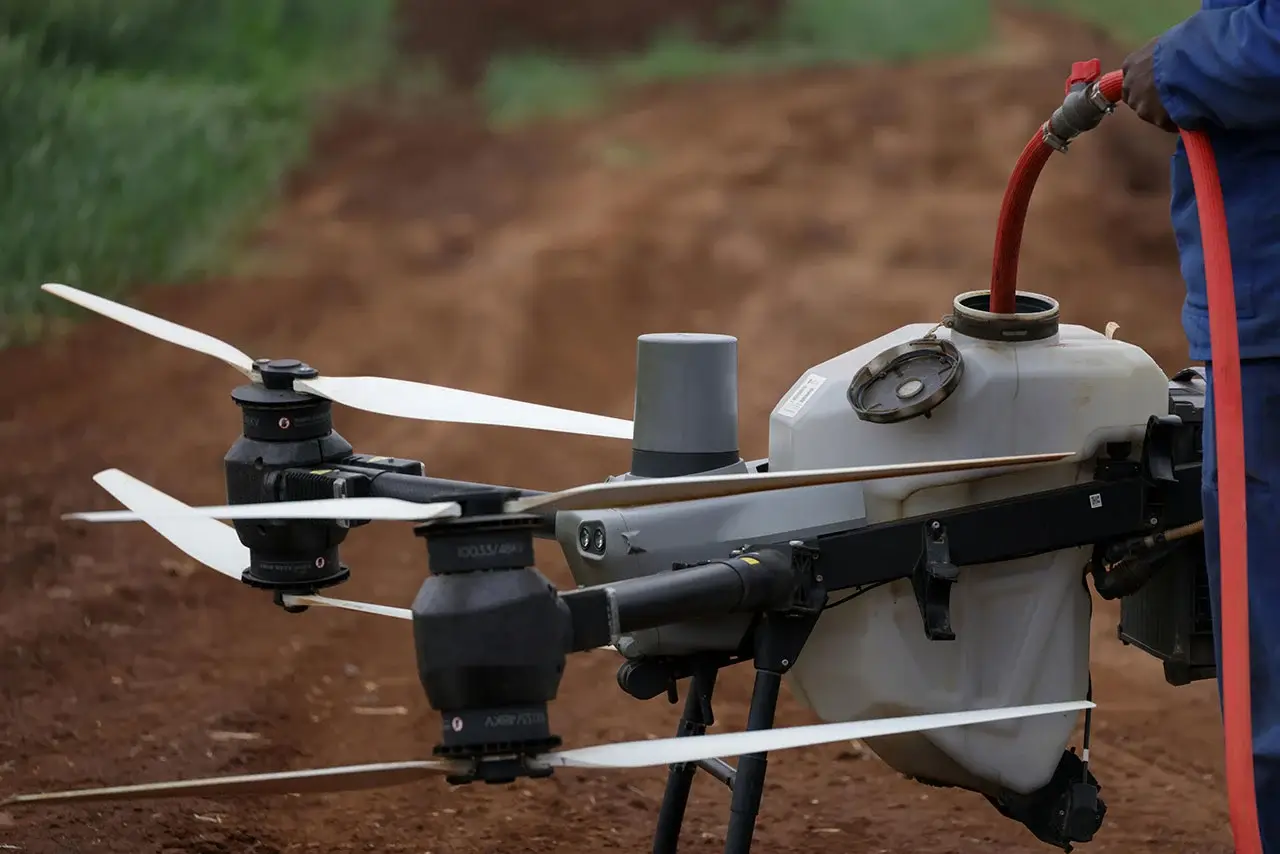
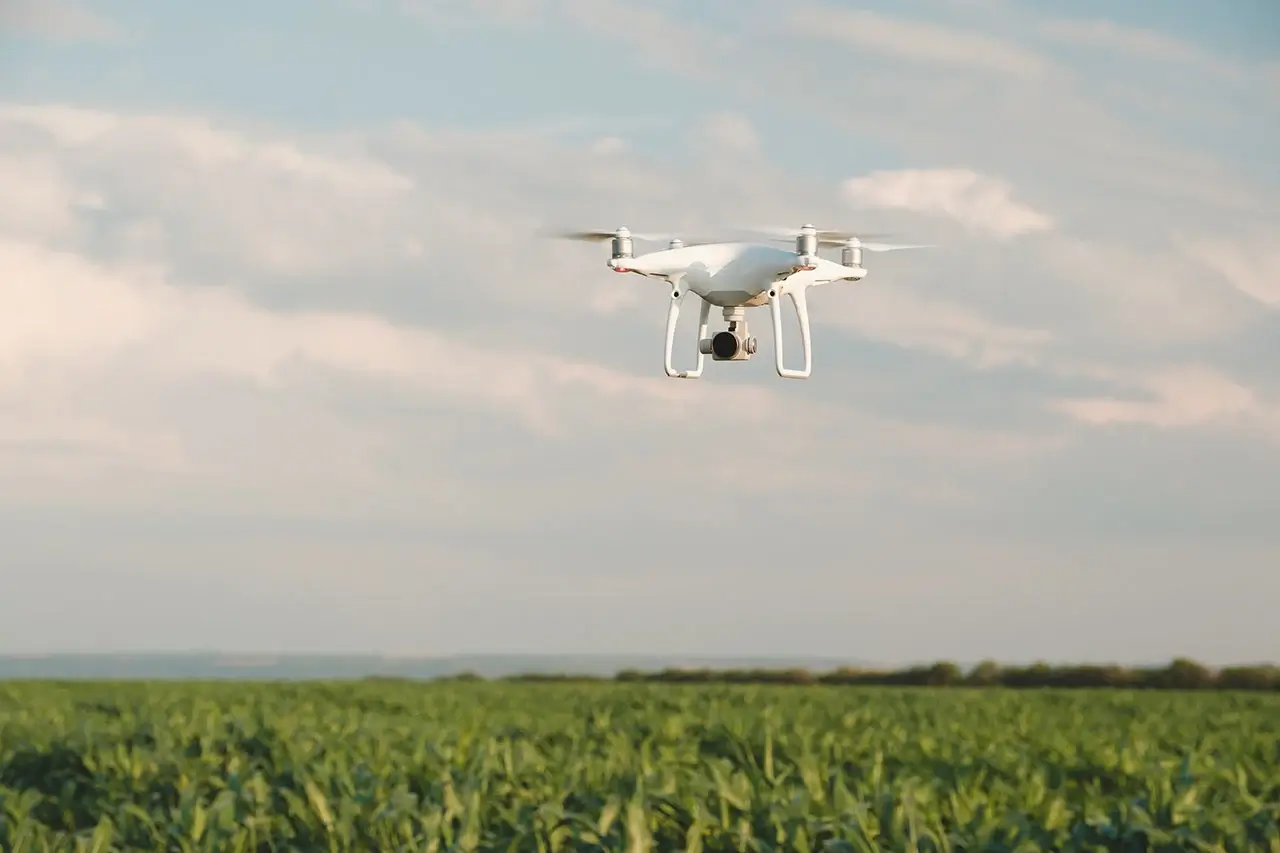
Farmers are increasingly adopting innovative soil-building techniques such as:
Composting and organic manure application
Cover cropping to protect and enrich soil
Crop rotation systems that maintain soil balance
Biofertilizers that support beneficial microorganisms
These methods improve soil structure, increase nutrient availability, and enhance water retention, allowing crops to grow stronger and more resilient.
Natural Pest and Disease Management
One of the greatest challenges in organic crop production is controlling pests and diseases without synthetic pesticides. Innovative organic pest management focuses on prevention and ecological balance.
Modern strategies include:
Introducing beneficial insects that control harmful pests
Using botanical extracts and natural pesticides
Intercropping systems that reduce pest infestation
Crop diversification to minimize disease spread
By encouraging natural biological controls, farmers can maintain healthy crops while protecting the surrounding ecosystem.
Precision Techniques for Organic Farming
Technology is now playing a growing role in organic agriculture. Farmers are using modern tools to improve efficiency while maintaining organic standards.
Some emerging innovations include:
Soil monitoring tools that track nutrient levels
Weather-based crop planning systems
Precision irrigation systems that reduce water waste
Digital farm records for better crop management
These tools allow farmers to make informed decisions and improve crop productivity without compromising organic principles.
Climate-Resilient Crop Management
Climate variability is becoming a major concern for farmers worldwide. Organic crop management innovations are helping farms adapt to changing environmental conditions.
Techniques such as drought-resistant crop varieties, improved water conservation methods, and soil organic matter enhancement are helping farmers maintain crop yields even under challenging conditions.
By strengthening soil health and biodiversity, organic farming systems often become more resilient to climate stresses.
Supporting Sustainable Food Systems
Organic crop management innovations contribute not only to individual farm productivity but also to broader environmental sustainability. Reduced chemical use helps protect water sources, beneficial insects, and wildlife habitats.
These practices also support consumer demand for healthier food products produced through environmentally responsible farming methods.
The Future of Organic Crop Management
As research and agricultural innovation continue to advance, organic farming systems will become even more efficient and productive. Farmers who adopt improved organic management practices can benefit from healthier soils, stronger crops, and growing market opportunities for organic produce.
At Global Farm Value, understanding innovations in organic crop management is part of a broader mission to help farmers combine sustainability with economic success. By applying practical knowledge and modern techniques, farmers can build productive agricultural systems that benefit both communities and the environment.