

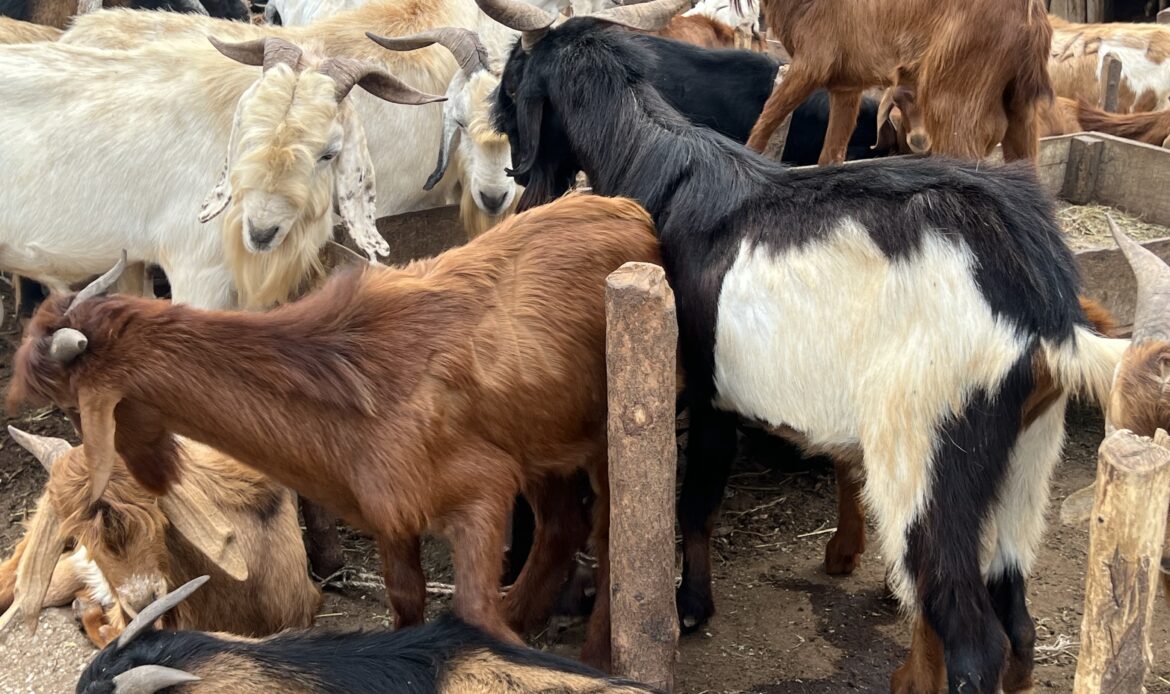
Livestock farming income opportunities extend far beyond traditional meat and milk sales, enabling savvy farmers to develop 5-12 distinct revenue streams from a single livestock operation that collectively generate 40-150% more profit than relying solely on commodity animal sales while simultaneously reducing financial risk through diversification, stabilizing cash flow through year-round production cycles, and creating market resilience by serving multiple customer segments with different price sensitivity and demand patterns.
Profitable livestock farming in the modern era requires strategic thinking about value-added products including artisan cheeses commanding $15-$35 per pound versus $1.50 raw milk, breeding stock sales generating $1,500-$15,000 per animal compared to $800 slaughter steers, agritourism experiences producing $25-$150 per visitor alongside traditional production, fiber products from sheep and alpacas adding $8-$25 per pound revenue, and ecosystem services including land management contracts paying $50-$300 per acre for targeted grazing that improves other landowners’ property while generating income from animals simultaneously growing for market.
Farm income streams from livestock operations create financial advantages impossible to achieve through single-product commodity sales, with research from land grant universities, USDA Agricultural Marketing Service, and successful diversified livestock farmers consistently demonstrating that operations generating revenue from multiple sources achieve 25-60% higher net profits, experience 30-50% less income volatility across market cycles, survive economic downturns at rates 2-3 times higher than specialized operations, and build enterprise value 40-80% greater than comparable single-stream farms by serving niche markets willing to pay premium prices, developing direct-to-consumer relationships capturing retail rather than wholesale margins, creating products with extended shelf life enabling sales timing flexibility, and establishing brand recognition that insulates against commodity price fluctuations.
Whether you’re managing cattle, sheep, goats, pigs, poultry, rabbits, or alternative livestock species including bison, alpacas, or heritage breeds, understanding how to identify complementary income opportunities, develop value-added products, access premium markets, integrate agritourism and educational services, and leverage livestock for land management contracts transforms single-purpose commodity production into diversified agricultural businesses generating stable, growing income that supports farm profitability, family livelihoods, and generational succession.
Primary Livestock Income Streams
1. Market Animal Sales (Foundation Income)
Traditional meat animal sales remain the cornerstone of most livestock operations:
Commodity Sales (wholesale to packers/processors):
- Finished cattle: $1,200-$2,200 per head ($140-$165 per hundredweight)
- Market hogs: $180-$320 per head ($55-$75 per hundredweight)
- Lambs: $150-$280 per head ($140-$200 per hundredweight)
- Meat goats: $120-$250 per head ($1.80-$3.50 per pound)
- Broiler chickens: $3-$6 per bird ($1.10-$1.40 per pound)
Direct-to-Consumer Meat Sales (premium pricing):
- Grass-finished beef: $6-$12 per pound hanging weight ($2,400-$4,800 per steer)
- Pastured pork: $5-$9 per pound hanging weight ($600-$1,350 per hog)
- Lamb cuts: $8-$18 per pound retail
- Pastured poultry: $5-$8 per pound whole bird ($20-$40 per chicken)
Value Increase: Direct sales capture 60-120% higher margins than commodity sales, though require investment in processing, marketing, and sales infrastructure.
Example: 30-cow beef operation selling finished steers at commodity prices generates $36,000-$48,000 gross revenue. Same operation selling quarters and halves directly to consumers generates $72,000-$108,000 gross revenue (100-125% increase) with approximately 30% higher expenses for processing and marketing, yielding 70-95% net income gain.
2. Breeding Stock Sales (Premium Genetics)
Quality breeding animals command multiples of slaughter prices:
Registered Purebred Cattle:
- Heifers: $2,000-$8,000 each (vs. $1,200 market price)
- Bulls: $3,000-$25,000 each (elite genetics: $50,000-$200,000+)
- Bred cows: $2,500-$6,000 each
Sheep and Goats:
- Registered ewes: $300-$1,200 (vs. $150-$280 market lambs)
- Breeding rams: $800-$5,000 (elite: $10,000+)
- Dairy goat does: $350-$2,000 each
Swine:
- Breeding gilts: $350-$800 (vs. $200-$320 market hogs)
- Boars: $600-$3,000
Poultry:
- Heritage breed chickens: $25-$75 per bird (vs. $3-$6 market birds)
- Hatching eggs: $3-$15 per egg
- Day-old chicks: $5-$20 each
Strategy: Developing reputation for genetic quality through show ring success, production records, and third-party verification (ROP, DHI testing) enables premium breeding stock prices with 150-400% margins over slaughter value.
Example: Sheep operation selling 40 lambs annually at $200 each generates $8,000. Same flock selling 25 market lambs ($5,000) plus 15 registered breeding animals averaging $600 ($9,000) generates $14,000 (75% increase) from same number of animals.
3. Dairy Products (Value-Added Processing)
Converting milk into higher-value products multiplies revenue:
Raw and Processed Milk:
- Raw milk (where legal): $8-$15 per gallon (vs. $1.50 wholesale)
- Pasteurized bottled milk: $6-$12 per gallon
- Cream: $12-$20 per quart
Cheese Products:
- Artisan cheeses: $15-$35 per pound (from $1 raw milk equivalent)
- Fresh chevre: $12-$22 per pound
- Aged varieties: $18-$40 per pound
Other Dairy Products:
- Yogurt: $6-$12 per quart
- Butter: $8-$16 per pound
- Ice cream: $8-$15 per pint
- Kefir and cultured products: $8-$14 per quart
Income Potential: 10-cow dairy producing 50 gallons daily generates:
- Wholesale milk: $27,375 annually ($1.50/gallon)
- Bottled retail milk: $109,500 annually ($6/gallon)
- Artisan cheese: $182,500 annually (assuming 10% solids, $25/lb cheese)
Considerations: Dairy processing requires significant regulatory compliance, facility investment ($50,000-$500,000+), and skilled labor, but offers exceptional returns on milk value.
4. Fiber Products (Sheep, Alpacas, Angora Goats)
Fiber-producing livestock create additional revenue beyond meat:
Raw Fiber Sales:
- Wool (sheep): $2-$10 per pound depending on quality and breed
- Alpaca fiber: $4-$12 per pound
- Mohair (Angora goats): $6-$15 per pound
- Cashmere (cashmere goats): $30-$80 per pound
Processed Fiber Products:
- Roving and yarn: $15-$40 per pound
- Felted products: $25-$150 per item
- Garments and accessories: $75-$500+ per item
Example: 50-ewe flock producing 8 pounds wool per sheep annually:
- Raw wool sales: $800-$4,000 (400 lbs at $2-$10/lb)
- Processed yarn: $6,000-$16,000 (400 lbs at $15-$40/lb)
- Finished garments: $15,000-$50,000+ (selective high-value production)
Dual-Purpose Production: Fiber sheep breeds (Romney, Corriedale, Merino crosses) produce both meat lambs and valuable fleeces, with 30-60% additional revenue from fiber compared to meat-only production.
Secondary and Complementary Income Streams
5. Agritourism and Farm Experiences
Livestock farms attract visitors willing to pay for authentic agricultural experiences:
Farm Visits and Tours:
- Educational tours: $5-$15 per person
- School groups: $150-$400 per group
- Farm-to-fork dinners: $75-$150 per person
- Seasonal events (lambing, shearing, harvest): $10-$25 per person
Hands-On Experiences:
- Fiber arts workshops: $50-$150 per participant
- Cheesemaking classes: $75-$200 per person
- Livestock husbandry workshops: $100-$300 per day
- Farm stays and lodging: $100-$300 per night
Hunting and Recreation:
- Wildlife habitat leases: $10-$30 per acre annually
- Hunting leases: $15-$75 per acre depending on game quality
- Fishing pond access: $15-$50 per day per person
Income Potential: 100-acre livestock farm hosting:
- 500 educational visitors at $10 each: $5,000
- 4 farm dinners with 30 guests at $100: $12,000
- 10 workshops with 12 participants at $100: $12,000
- Hunting lease on 60 acres at $20: $1,200
- Total agritourism revenue: $30,200
Advantages: Agritourism generates income from existing infrastructure, creates marketing opportunities for farm products, builds community connections, and provides educational value enhancing farm reputation.
6. Manure and Compost Sales
Livestock waste becomes valuable input for gardens and farms:
Raw Manure:
- Aged manure: $15-$35 per cubic yard
- Fresh manure (free to customer-hauls): $0 but removes disposal cost
Composted Products:
- Premium compost: $25-$60 per cubic yard
- Bagged compost: $6-$12 per cubic foot bag
- Worm castings: $30-$80 per cubic yard
Volume Production: 100 beef cattle produce approximately 12 cubic yards manure daily (4,380 cubic yards annually):
- Raw manure sales: $65,700-$153,300 (if market exists)
- Premium compost: $109,500-$262,800
- Realistic sales (30% of production): $32,850-$78,840
Considerations: Requires market demand (organic farms, landscapers, gardeners), proper composting facilities, and transportation logistics, but converts waste into revenue while reducing environmental management costs.
7. Grazing and Land Management Services
Livestock provide vegetation management services other landowners value:
Targeted Grazing Contracts:
- Weed control: $50-$150 per acre
- Fire fuel reduction: $75-$200 per acre
- Vegetation management for solar farms, rights-of-way, conservation areas: $100-$300 per acre
- Vineyard floor management: $150-$400 per acre
Carbon and Conservation Credits:
- Carbon sequestration payments: $10-$50 per acre annually (emerging markets)
- Conservation easement payments: $100-$2,000 per acre one-time or $20-$200 annually
- Habitat management for endangered species: $50-$300 per acre
Example: 500-ewe flock providing targeted grazing:
- 600 acres invasive species control at $80/acre: $48,000
- Concurrent lamb production: $100,000 (500 lambs at $200)
- Total revenue: $148,000 from same animals
Strategic Advantage: Grazing contracts provide income while animals gain weight for market, utilizing forage that might otherwise be wasted and expanding effective farm acreage without land purchase costs.
8. Show and Exhibition Income
Livestock exhibition creates multiple revenue opportunities:
Show Winnings and Premiums:
- Prize money: $50-$5,000+ per show depending on level
- Breed association awards and incentives
- Youth livestock project premiums: $200-$2,000 per animal
Enhanced Marketing Value:
- Show champions command 200-500% premium as breeding stock
- Visibility at exhibitions generates breeding stock inquiries
- Reputation building for farm brand
Livestock Sales (Show-Related):
- 4-H/FFA project animals: $500-$3,000 per head (premium over market)
- Show string breeding stock: $2,000-$15,000 per animal
Example: Cattle operation investing $15,000 annually in show program generates:
- Direct show winnings: $3,000-$8,000
- Premium breeding stock sales: $30,000-$80,000 (vs. $15,000-$25,000 without show record)
- Net benefit: $18,000-$73,000 above non-show operation
9. Alternative Products and Byproducts
Creative farmers monetize materials typically discarded:
Hides and Pelts:
- Cattle hides: $50-$150 per hide (tanning adds value)
- Sheep pelts: $40-$200 depending on quality and processing
- Goat hides: $25-$75 each
- Tanned and finished leather: $8-$25 per square foot
Bones and Offal:
- Pet food manufacturers: $0.10-$0.40 per pound
- Bone broth sales: $8-$18 per quart
- Dog bones and chews: $3-$15 per item
Feathers and Down (poultry):
- Down and feathers: $5-$20 per pound
- Decorative feathers: $0.50-$5 per feather
Organs and Specialty Meats:
- Liver, heart, tongue: $3-$12 per pound
- Ethnic market specialty items: Premium pricing
Value Recovery: Processing 30 beef cattle annually:
- Hides: $1,500-$4,500
- Bones for pet treats: $900-$3,600
- Organs and specialty meats: $1,200-$4,500
- Total byproduct revenue: $3,600-$12,600
10. Educational Programs and Consulting
Expertise accumulated through farming becomes marketable:
Workshops and Classes:
- Livestock handling clinics: $50-$200 per participant
- Butchering workshops: $150-$400 per person
- Pasture management seminars: $75-$250 per attendee
- Online courses and webinars: $50-$500 per enrollment
Consulting Services:
- Farm planning and design: $500-$3,000 per project
- Livestock selection assistance: $200-$800 per day
- Grazing management consulting: $75-$200 per hour
- Breeding program development: $1,000-$5,000 per project
Speaking and Writing:
- Conference presentations: $500-$3,000 per event
- Magazine articles: $100-$1,000 per article
- Book royalties: Variable but building long-term income
Example: Farmer with specialized expertise generating:
- 6 workshops with 15 participants at $100: $9,000
- 3 consulting projects at $1,500: $4,500
- 4 speaking engagements at $1,000: $4,000
- Total educational income: $17,500 annually
Strategies for Developing Multiple Income Streams
Start with Core Competency
Begin with excellent production in primary enterprise before diversifying:
Foundation First: Establish profitable baseline operation producing quality animals or products consistently before adding complexity.
Gradual Expansion: Add one new income stream annually, perfecting each before expanding further to avoid overwhelming management capacity.
Synergistic Selection: Choose complementary enterprises leveraging existing infrastructure, skills, and markets rather than unrelated diversification.
Assess Market Opportunities
Research demand before investing in new income streams:
Market Research:
- Identify customer segments willing to pay premium prices
- Analyze local competition for proposed products or services
- Test markets with small-scale production before full commitment
- Evaluate access to necessary processing, distribution, marketing channels
Pricing Analysis:
- Calculate production costs accurately including labor and overhead
- Research premium pricing potential in direct markets
- Compare margins across different income stream options
- Factor in seasonality and cash flow timing
Invest in Value-Added Infrastructure
Processing and marketing infrastructure capture higher margins:
Processing Facilities:
- On-farm meat processing (where legal): $50,000-$500,000
- Dairy processing and creamery: $75,000-$500,000+
- Fiber processing equipment: $5,000-$100,000
- Shared-use commercial kitchens: $25-$75 per hour (reduces capital needs)
Marketing Infrastructure:
- Website and e-commerce: $2,000-$15,000 setup, $500-$3,000 annual
- Farmers market booth and equipment: $1,000-$5,000
- Refrigerated transport: $5,000-$40,000
- Branding and packaging design: $2,000-$15,000
Return Timeline: Value-added infrastructure typically requires 2-5 years to achieve full return on investment but provides long-term competitive advantage and margin improvement.
Develop Direct Marketing Channels
Capturing retail margins requires customer relationships:
Farmers Markets: Direct access to consumers willing to pay premium prices for local, quality products. Typical sales: $500-$3,000 per market day.
Community Supported Agriculture (CSA): Advance payment subscriptions providing working capital. Meat CSA shares: $400-$1,200 per customer annually.
On-Farm Sales: Lowest overhead direct marketing channel. Requires traffic generation through marketing, signage, reputation.
Online Sales and Shipping: Expands market beyond local geography. Requires compliance with interstate shipping regulations, packaging, cold chain management.
Restaurant and Retail Partnerships: Consistent volume buyers valuing quality and story. Wholesale pricing (30-50% below retail) but larger orders and reliable demand.
Leverage Existing Assets
Maximize return on land, facilities, and knowledge:
Infrastructure Multi-Use:
- Barns hosting events during off-season
- Pastures providing hunting leases during non-grazing periods
- Equipment used for custom services for neighbors
- Knowledge packaged as consulting or educational content
Seasonal Balancing:
- Combine enterprises with different peak labor and cash flow timing
- Year-round income smoothing through complementary production cycles
- Counter-cyclical market hedging through diverse product portfolio
Build Brand and Reputation
Premium pricing requires trust and differentiation:
Brand Development:
- Consistent quality and customer experience
- Compelling farm story emphasizing values, practices, heritage
- Professional marketing materials and online presence
- Certifications adding credibility (organic, certified humane, grassfed)
Customer Relationships:
- Farm visits and transparency building trust
- Regular communication through newsletters, social media
- Exceptional customer service creating loyalty and referrals
- Community involvement establishing local connections
Financial Planning for Diversified Operations
Cash Flow Management
Multiple income streams create complex cash flow requiring planning:
Seasonal Analysis: Map income and expense timing across all enterprises to identify shortfalls requiring operating credit or reserve funds.
Working Capital: Maintain 6-12 months operating expenses in reserve or available credit to weather market fluctuations and production challenges.
Enterprise Accounting: Track profitability by income stream separately to identify strongest performers and eliminate or improve underperforming enterprises.
Risk Diversification
Multiple income streams reduce financial vulnerability:
Market Risk: Different products and customer segments buffer against price fluctuations in any single market.
Production Risk: Diverse enterprises reduce impact of disease, weather, or management failures affecting single production type.
Regulatory Risk: Spread across different regulatory frameworks reduces dependence on any single program or rule set.
Conclusion
Livestock farming income diversification transforms commodity production into resilient agricultural businesses generating stable, growing revenue through strategic development of complementary income streams. By combining traditional market animal and breeding stock sales with value-added products like dairy processing and fiber goods, enhanced services including agritourism and grazing contracts, and knowledge-based revenue from education and consulting, profitable livestock farming operations achieve 40-150% higher profits than single-stream commodity producers while reducing income volatility 30-50%.
Farm income streams development requires systematic approach beginning with excellent core production, gradually adding complementary enterprises leveraging existing assets and skills, investing strategically in value-added infrastructure and direct marketing channels, building brand reputation commanding premium prices, and managing complex cash flows across multiple revenue sources. Whether operating small diversified farms with 5-8 income streams generating $75,000-$200,000 annually or larger specialized operations adding 2-3 complementary streams boosting profits 25-60%, multiple income stream strategies create financial resilience, market flexibility, and sustainable profitability positioning livestock farming operations for long-term success across changing markets, consumer preferences, and economic conditions.
1 reply on “How Livestock Farming Creates Multiple Income Streams for Farmers”
Livestock rearing is the one most important farming after cultivation and also the second source of income which makes men to become reach in a short time.