

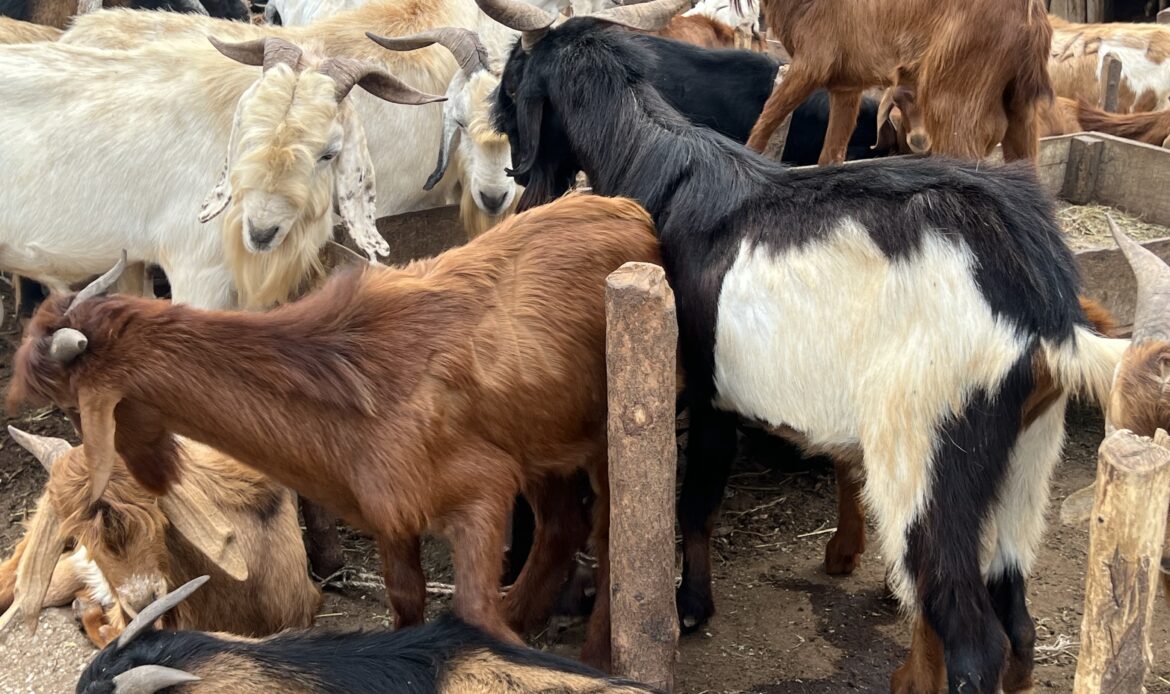
Starting goat farming for beginners offers one of the most accessible and profitable entry points into livestock agriculture, requiring relatively modest initial investments of $3,000-$15,000 for small herds of 10-25 goats compared to $50,000-$200,000 for cattle operations, minimal land requirements with 5-20 acres supporting viable commercial herds depending on climate and management intensity, diverse income opportunities including meat production generating $150-$350 per animal, dairy products commanding premium prices of $8-$15 per gallon for raw milk or $15-$30 per pound for artisan cheese, fiber sales from Angora or cashmere breeds earning $8-$80 per pound, breeding stock sales providing $200-$3,000 per quality registered animal, and land management services paying $50-$200 per acre for targeted grazing vegetation control.
Goats adapt successfully to varied climates from tropical to temperate regions, thrive on marginal land unsuitable for other livestock by browsing brush, weeds, and woody vegetation that cattle and sheep reject, reproduce quickly with does typically producing twins or triplets after five-month gestation periods enabling rapid herd growth, require less intensive facilities than cattle or pigs with simple three-sided shelters and basic fencing adequate for many operations, and display engaging personalities making them enjoyable to work with while teaching valuable livestock management skills applicable across agricultural enterprises.
Successful goat farming begins with clear goal definition because different production systems require distinct breeds, facilities, management practices, and market development strategies, with meat goat operations focusing on efficient growth and carcass quality through breeds like Boer, Kiko, and Spanish producing 50-100 pound market kids in 6-9 months selling to ethnic markets, restaurants, or direct consumers for $2.50-$4.50 per pound live weight or $7-$12 per pound for processed cuts, dairy goat enterprises emphasizing milk production from breeds like Nubian, Saanen, Alpine, and LaMancha yielding 1,500-3,000 pounds annually per doe and requiring daily milking commitment plus market development for fluid milk, cheese, yogurt, or soap products, fiber goat production from Angora (mohair) or cashmere breeds harvesting fleeces 1-2 times yearly generating $40-$400 per animal annually depending on quality and market access, diversified operations combining multiple revenue streams to reduce risk and optimize seasonal labor demands, and breeding stock operations selling quality registered animals to other farmers requiring investment in superior genetics, show ring success, production testing, and marketing expertise.
This comprehensive guide provides step-by-step framework covering self-assessment and goal setting, breed selection and herd acquisition, facility planning and construction, feeding and nutrition management, health care protocols, breeding and kidding management, product marketing strategies, business planning and financial management, and regulatory compliance ensuring beginning goat farmers avoid costly mistakes while building profitable, sustainable operations that generate $5,000-$50,000+ annual income depending on scale, production system, and market development within 2-5 years of starting with realistic expectations, adequate capital, and commitment to continuous learning.
Step 1: Self-Assessment and Goal Definition
Before purchasing goats, honest evaluation of resources, capabilities, and objectives prevents costly misalignment:
Evaluate Your Resources
Available Land:
- Minimum viable: 5-10 acres for small meat or dairy herd (10-25 does)
- Comfortable scale: 20-50 acres for 50-100 doe operation
- Intensive management: 1-2 acres per 10 goats possible with supplemental feeding
- Pasture quality: Poor browse land adequate for meat goats, dairy requires better nutrition
Financial Capital:
- Minimal startup (10 meat goats): $3,000-$5,000
- Small commercial dairy (15 does): $8,000-$15,000
- Medium meat herd (50 does): $15,000-$35,000
- Well-equipped dairy (25 does): $25,000-$50,000
Time Availability:
- Meat goats (extensive): 30-60 minutes daily routine care, seasonal intensive periods
- Dairy goats: 2-4 hours daily (milking, feeding, cleaning), 7 days weekly, year-round
- Fiber goats: Similar to meat goats plus shearing labor 1-2 times yearly
- Kid rearing season: Additional 1-2 hours daily for 3-4 months
Skills and Experience:
- Previous livestock experience helpful but not essential
- Mechanical aptitude for facility maintenance and equipment repair
- Business skills for marketing, record-keeping, financial management
- Physical capability for daily chores, handling 100-200 pound animals
Define Your Goals
Production Objectives:
Meat Production:
- Target market: Ethnic communities, direct consumers, restaurants
- Production cycle: Kid crop sold at 6-9 months (50-100 pounds)
- Income timing: Seasonal (Easter, Ramadan peaks) or year-round
- Scale needed: 30+ does for viable full-time income
Dairy Production:
- Products: Fluid milk, cheese, yogurt, soap, lotions
- Market: Direct sales (farmers markets, CSA) or wholesale
- Production: Daily milking 10 months yearly per doe
- Commitment: 7-day-per-week year-round obligation
Fiber Production:
- Breeds: Angora (mohair) or cashmere goats
- Harvest: Shearing twice yearly (Angora) or combing annually (cashmere)
- Markets: Fiber mills, hand spinners, direct craft markets
- Scale: 50-200 goats for viable commercial operation
Breeding Stock:
- Focus: Quality registered animals, show success, production records
- Market: Other goat farmers seeking genetics
- Timeline: 3-5 years building reputation and customer base
- Investment: Higher initial costs for superior foundation stock
Financial Goals:
- Supplemental income: $3,000-$10,000 annually (part-time)
- Substantial income: $15,000-$35,000 annually (significant time commitment)
- Primary income: $35,000-$75,000+ (full-time operation, 5-10 years development)
- Lifestyle/hobby: Breaking even while enjoying animals
Lifestyle Considerations:
- Vacation flexibility: Requires daily care or reliable help
- Physical demands: Outdoor work in all weather
- Long-term commitment: Goats live 10-15 years
- Family involvement: Excellent youth livestock projects
Step 2: Education and Knowledge Building
Invest heavily in learning before investing in animals:
Formal Education Resources
University Extension Programs:
- Land grant university goat production guides (free online)
- Extension workshops and field days (typically $25-$100)
- Online courses and webinars (free to $300)
- Local extension agent consultations (free)
Structured Training:
- Beginning goat farming courses: $150-$500
- Dairy goat management certification programs
- Meat goat production intensive workshops
- Online learning platforms (Udemy, Coursera): $20-$200 per course
Practical Experience (Critical)
Farm Internships and Work:
- Work on established goat farms 3-6 months minimum
- Typical arrangement: Labor exchange for housing, learning, modest pay
- Experience all seasons including kidding, breeding, health challenges
- Value: Equivalent to $5,000-$15,000 in avoided beginner mistakes
Volunteer and Farm Visits:
- Volunteer at local goat farms for weekend or evening work
- Visit multiple farms observing different management systems
- Attend goat shows talking with experienced breeders
- Shadow veterinarians during goat calls
Join Goat Organizations
National Organizations:
- American Dairy Goat Association (ADGA): $35 annual membership
- American Boer Goat Association (ABGA): $25 annual membership
- International Kiko Goat Association: $30 annual membership
- American Goat Society: $20 annual membership
Local Groups:
- State and regional goat associations
- County 4-H and FFA programs
- Local meat goat producer cooperatives
- Dairy goat clubs and milk testing programs
Benefits:
- Networking with experienced goat farmers
- Educational programs and workshops
- Production record keeping services
- Marketing connections and cooperative opportunities
- Registry services for purebred animals
Step 3: Breed Selection and Herd Acquisition
Matching breeds to production goals and environment ensures success:
Meat Goat Breeds
Boer Goats:
- Origin: South Africa, bred specifically for meat
- Characteristics: Large framed (does 150-225 lbs, bucks 250-350 lbs), fast growing, excellent carcass
- Advantages: Industry standard, readily available, established markets
- Climate: Tolerates heat well, needs shelter in extreme cold
- Pricing: Commercial does $200-$500, registered $400-$1,200, quality bucks $800-$5,000
Kiko Goats:
- Origin: New Zealand, selected for hardiness and low maintenance
- Characteristics: Excellent foraging, disease resistance, parasite tolerance
- Advantages: Minimal input requirements, thrives on browse
- Climate: Extremely hardy, all climates
- Pricing: Does $250-$600, registered $500-$1,500, bucks $1,000-$8,000
Spanish Goats:
- Origin: Landrace breed in American Southwest
- Characteristics: Hardy, excellent mothers, parasite resistant
- Advantages: Low cost, minimal care, heat tolerant
- Climate: Hot, dry conditions ideal
- Pricing: Does $150-$400, less commonly registered
Crossbred Meat Goats:
- Combinations: Boer x Spanish, Boer x Kiko (hybrid vigor)
- Advantages: Lower cost, good performance, readily available
- Pricing: Does $150-$400, bucks $400-$2,000
Dairy Goat Breeds
Nubian:
- Characteristics: Long, droopy ears, Roman nose, large (does 135+ lbs)
- Milk: High butterfat (4-5%), rich flavor, excellent for cheese
- Production: 1,500-2,200 lbs per 305-day lactation
- Temperament: Vocal, dramatic, affectionate
- Pricing: Does $300-$1,200, bucks $500-$3,000
Saanen:
- Characteristics: All white, erect ears, largest dairy breed (does 145+ lbs)
- Milk: High volume, lower butterfat (3-4%)
- Production: 2,000-3,000 lbs per lactation (top performers 4,000+)
- Temperament: Calm, gentle
- Pricing: Does $350-$1,500, bucks $600-$4,000
Alpine:
- Characteristics: Varied colors, erect ears, medium-large (does 130+ lbs)
- Milk: Good volume and quality, 3.5-4% butterfat
- Production: 1,800-2,600 lbs per lactation
- Temperament: Independent, hardy
- Pricing: Does $300-$1,200, bucks $500-$3,000
LaMancha:
- Characteristics: Tiny “gopher” ears, medium size (does 130+ lbs)
- Milk: High butterfat, excellent for cheese
- Production: 1,600-2,400 lbs per lactation
- Temperament: Even-tempered, easy-going
- Pricing: Does $300-$1,200, bucks $500-$3,000
Nigerian Dwarf:
- Characteristics: Miniature (does 75 lbs), varied colors
- Milk: Very high butterfat (6-10%), small volume
- Production: 600-1,000 lbs per lactation (proportionally high for size)
- Advantages: Small space requirements, manageable size
- Pricing: Does $200-$800, bucks $300-$1,500
Fiber Goat Breeds
Angora (Mohair):
- Fiber: Lustrous, strong, 4-6 inch growth per 6 months
- Production: 8-16 lbs fiber per year worth $4-$12 per pound
- Management: Shearing twice yearly, shelter from cold after shearing
- Market: Textile mills, hand spinners
- Pricing: Does $200-$800, bucks $400-$2,000
Cashmere:
- Fiber: Soft undercoat harvested by combing
- Production: 4-8 ounces per year worth $30-$80 per pound
- Management: Annual combing in spring
- Market: Specialty fiber buyers, limited U.S. market
- Pricing: Similar to meat goats with fiber premium
Starting Herd Composition
Meat Goat Starter Herd (25 does, 1 buck):
- 25 quality commercial does: $5,000-$10,000
- 1 registered or proven buck: $800-$2,500
- Total: $5,800-$12,500
Dairy Goat Starter Herd (10 does, 1 buck):
- 10 milking-age does (2-4 years old): $3,000-$12,000
- 1 registered buck: $500-$3,000
- Total: $3,500-$15,000
Alternative: Start Small:
- 3-5 does and 1 buck: $800-$3,000
- Learn management, breed herd, grow from within
- Timeline: 3-4 years to reach 20-30 doe herd
Purchasing Guidelines
Source Selection:
- Established breeders: Higher prices, better genetics, support
- Commercial producers: Lower prices, functional animals
- Livestock auctions: Lowest prices, highest risk (health, quality)
- Avoid: Sales barns for foundation stock (disease risk)
Selection Criteria:
- Sound structure: Straight legs, level topline, correct bite
- Health: Bright eyes, good body condition, clean coat
- Udder quality (dairy): Well-attached, balanced, functional teats
- Feet: Well-trimmed, proper angles
- Records: Production data, health history, age verification
Initial Numbers:
- Minimum viable: 5-10 does for meaningful production
- Comfortable start: 10-25 does enabling learning without overwhelming
- Avoid: Single goats (social animals requiring companions)
Step 4: Facility Planning and Construction
Goats require less infrastructure than many livestock but need secure, appropriate facilities:
Fencing Requirements
Fence Types:
- Woven wire: 4-foot height, most secure ($1.50-$3.00 per linear foot)
- Electric netting: Portable, flexible, good training tool ($200-$400 per 164-foot roll)
- High-tensile electric: Low-cost, requires training ($0.40-$1.00 per foot)
- Cattle panels: Very secure, expensive ($20-$35 per 16-foot panel)
Fencing Recommendations:
- Perimeter: Woven wire minimum 4 feet tall with electric offset for browsers
- Internal divisions: Electric netting or high-tensile electric
- Buck pens: Extra secure, minimum 5 feet (bucks are escape artists)
- Investment: $1,500-$5,000 per acre for good permanent fencing
Common Mistake: Underestimating fence requirements. Goats test fences constantly and escape through surprisingly small openings.
Housing and Shelter
Minimum Requirements:
- Dry, draft-free shelter from wind, rain, and snow
- 15-20 square feet per adult goat
- Simple three-sided shelter often adequate in temperate climates
- Elevated platforms for sleeping (goats prefer being off ground)
Housing Options:
- Three-sided shelter: $500-$2,000 (20-30 goats)
- Converted barn or outbuilding: Variable cost
- Pole barn: $3,000-$15,000 (capacity 30-100 goats)
- Sophisticated barn with kidding pens, milk parlor: $15,000-$50,000+
Special Areas Needed:
- Kidding pens: 5×5 feet individual pens, 1 per 10 does minimum
- Buck housing: Separate area 50+ feet from does (odor, behavior)
- Quarantine area: Isolated pen for new arrivals or sick animals
- Feed storage: Dry, rodent-proof area for grain and hay
Dairy-Specific:
- Milk parlor or stanchion area
- Milk house with refrigeration
- Hot water for cleaning
- Additional investment: $2,000-$20,000 depending on sophistication
Equipment and Supplies
Essential Equipment ($1,500-$4,000):
- Feeders (hay and grain): $200-$800
- Waterers: $100-$400
- Hoof trimming tools: $30-$100
- Basic medical supplies: $200-$500
- Livestock handling equipment (panels, gates): $300-$1,000
- Scales (optional but valuable): $200-$1,500
Dairy Equipment (additional $1,000-$10,000):
- Milking machine (small): $1,500-$4,000
- Milk storage: $300-$2,000
- Pasteurizer (if selling): $1,500-$8,000
- Cheese-making equipment: $500-$3,000
Nice to Have:
- Livestock trailer: $2,000-$15,000 (used to new)
- Hay storage: $1,000-$5,000
- Handling chute: $500-$2,000
Step 5: Feeding and Nutrition Management
Proper nutrition ensures health, productivity, and profitability:
Nutritional Requirements by Class
Maintenance (Dry Does, Wethers):
- Forage-based diet adequate
- 3-4% body weight in total feed daily
- Minimal grain (0-1 lb daily)
- Cost: $0.30-$0.75 per day
Lactating Dairy Does:
- High-quality hay or pasture
- Grain: 1-2 lbs per 3-4 lbs milk produced
- Free-choice minerals
- Cost: $1.50-$3.00 per day
Growing Kids:
- Quality hay and pasture
- Grain: 1-2 lbs daily depending on growth rate
- Free-choice minerals
- Cost: $0.50-$1.25 per day
Breeding Bucks:
- Maintain body condition
- Moderate grain during breeding season
- Quality forage year-round
- Cost: $0.75-$1.50 per day
Feed Types and Sources
Forage:
- Pasture: Lowest cost ($10-$40 per acre monthly)
- Hay: $100-$250 per ton (need 500-750 lbs per goat annually)
- Browse: Brush, weeds, trees (free if available)
Concentrates:
- Commercial goat feed: $12-$20 per 50-lb bag
- Whole grains (corn, oats, barley): $8-$15 per 50-lb bag
- Custom mixes: Variable cost
Supplements:
- Goat minerals: $20-$40 per 25-lb bag (essential)
- Baking soda: Free choice for rumen health
- Salt: Loose or block
Annual Feed Costs:
- Meat goat (extensive): $75-$150 per head
- Dairy goat (intensive): $300-$600 per head
- Kids to market: $40-$80 each
Common Feeding Mistakes
Overfeeding grain leading to acidosis, urinary calculi in males, or obesity. Goats are browsers primarily needing fiber-rich diets, not heavy grain feeding like pigs. Inadequate mineral supplementation causing poor growth, reproduction problems, or deficiency diseases. Generic livestock minerals lack copper needed by goats. Sudden diet changes causing digestive upset. Transition feeds gradually over 7-10 days. Poor-quality hay providing inadequate nutrition. Invest in good hay or supplement deficiencies.
Step 6: Health Management
Preventing disease proves far easier and cheaper than treating sick animals:
Preventive Health Program
Vaccinations:
- CD&T (Clostridium perfringens types C&D and tetanus): Annual, essential for all goats ($2-$4 per dose)
- Additional vaccines: Region and risk-dependent (pneumonia, sore mouth, rabies)
Parasite Control:
- Internal parasites (stomach worms): Greatest health challenge in most regions
- FAMACHA scoring: Monitoring anemia from blood-sucking parasites
- Strategic deworming: Based on monitoring, not calendar
- Pasture rotation: Reducing parasite exposure
- Costs: $5-$20 per animal annually for dewormers
Hoof Trimming:
- Frequency: Every 6-10 weeks
- Essential for soundness and health
- Can learn to perform yourself or hire professional ($3-$10 per goat)
Routine Monitoring:
- Body condition scoring weekly
- Fecal egg counts: $5-$15 per sample monitoring parasite load
- Temperature/appetite/behavior observation daily
Common Health Issues
Parasites: Leading cause of death and poor performance in most climates. Prevention through pasture management, selective breeding for resistance, and monitoring more important than aggressive chemical use.
Pneumonia: Stress, weather changes, poor ventilation contributing factors. Prevented through good management, vaccinations, prompt treatment.
Pregnancy Toxemia: Metabolic disease in late pregnancy, especially with multiples. Prevented through adequate nutrition last 6 weeks gestation.
Bloat: Overeating lush legumes or grain. Prevented through careful introduction to rich feeds, baking soda availability.
Urinary Calculi: Stones in urinary tract, primarily affects males. Prevented through proper mineral balance, adequate water, controlled grain feeding.
Veterinary Relationships
Establish relationship with goat-experienced veterinarian before emergencies:
- Initial herd health consultation: $100-$300
- Emergency farm calls: $100-$250 trip plus services
- Routine procedures: Variable by region and service
Many basic health procedures (vaccinations, deworming, minor wound care) can be learned and performed by owners, significantly reducing costs. Budget $25-$75 per animal annually for health care including preventive measures and minor treatments.
Step 7: Breeding and Kidding Management
Successful reproduction multiplies your herd and generates income:
Breeding Season Planning
Natural Breeding Seasons:
- Most goats are seasonal breeders (late summer through winter)
- Days shortening triggers estrus cycles
- Breeding August-December for January-May kidding
Year-Round Breeding (possible with management):
- Lighting programs advancing or delaying cycles
- Some breeds less seasonal (Boer, Kiko, Spanish)
- Allows targeting specific markets (spring vs. fall kids)
Breeding Age:
- Does: 7-10 months old AND 70-80 lbs minimum weight
- Breeding too young stunts growth and causes dystocia
- Bucks: Can breed at 4-5 months but best used 8-12 months
Buck Management:
- 1 buck per 25-40 does (hand mating or short breeding season)
- 1 buck per 15-25 does (pasture breeding all season)
- Buck rotation for genetic diversity
- Buck replacement every 3-4 years avoiding inbreeding
Kidding Management
Gestation: 145-155 days (approximately 5 months)
Kidding Season Preparation:
- Individual kidding pens ready
- Supplies stocked (iodine, towels, milk replacer, bottles)
- Monitoring schedule established
- Veterinary support arranged for emergencies
Normal Kidding:
- Doe typically handles unassisted
- Monitor from distance
- Intervene only if prolonged labor (2+ hours) or abnormal presentation
- Ensure kids nurse within 1 hour (colostrum critical)
Post-Kidding Care:
- Navel dipping with iodine preventing infection
- Kid identification (ear tags, tattoos)
- Doe milking/feeding monitoring
- Recording birth information
Common Complications:
- Dystocia (difficult birth): Requires assistance or veterinary intervention
- Weak kids: Tube feeding colostrum
- Rejected kids: Bottle feeding or grafting to another doe
- Pregnancy toxemia: Nutritional management preventing
Kid Rearing Options:
Dam Raising: Kids stay with mothers, simplest but milk unavailable for sale
Bottle Raising: Kids removed at birth, bottle fed, all milk available for sale. Labor intensive (feeding every 4-6 hours initially) but more tame kids.
Combination: Kids nurse 1-2 weeks then bottled, partial milk harvest
Castration and Disbudding
Castration (males not kept for breeding):
- Methods: Banding, surgical, burdizzo
- Timing: 1-4 weeks of age
- Reduces aggression, prevents unwanted breeding
Disbudding (preventing horn growth):
- Hot iron method standard
- Timing: 3-10 days of age (before horns develop)
- Prevents injury to animals and handlers
- Some producers leave horns (cultural, management preference)
Step 8: Marketing and Product Sales
Converting goats into income requires market development:
Meat Goat Marketing
Live Sales:
- Ethnic markets: Ramadan, Easter, other religious holidays (premium prices)
- Livestock auctions: Lowest prices but immediate cash
- Direct farm sales: Moderate prices, establishes customer base
- Prices: $2.00-$4.50 per pound live weight typical
Processed Meat Sales:
- Direct to consumer: Whole, half, or cuts
- Restaurants and specialty retailers
- Farmers markets
- Prices: $7-$12 per pound for cuts, higher for specialty items
- Requires processing facilities (often custom processors)
- Higher margins but more marketing effort
Typical Kid Production:
- 1.5-2.0 kids per doe annually
- Market weight 50-100 lbs at 6-9 months
- Revenue per doe: $150-$450 from kid sales
- Culled does: Additional $100-$200
Dairy Product Marketing
Fluid Milk:
- Raw milk (where legal): $8-$15 per gallon
- Pasteurized milk: $6-$12 per gallon
- Regulatory requirements: Varies dramatically by state
- Markets: Direct sales, herd shares, CSA
Value-Added Products:
- Cheese: $15-$30 per pound
- Yogurt: $6-$12 per quart
- Ice cream: $8-$15 per pint
- Soap and lotions: $5-$12 per bar/bottle
Production Expectations:
- Average dairy doe: 1,500-2,500 lbs milk per 10-month lactation
- Converted to products: $1,500-$8,000 value per doe annually
- Requires significant time investment and regulatory compliance
Breeding Stock Sales
Market Development:
- Show ring success
- Production records (milk testing, weight gain)
- Registry and pedigree
- Customer relationships and reputation
Pricing:
- Quality market kids: $200-$500
- Registered does: $400-$2,000
- Elite genetics: $2,000-$15,000
- Proven bucks: $800-$8,000
Timeline: 3-5 years building reputation and customer base for premium prices
Fiber Marketing
Mohair:
- $4-$12 per pound (graded)
- 8-16 lbs per goat annually
- $40-$200 per animal
- Markets: Textile mills, hand spinners
Cashmere:
- $30-$80 per pound
- 4-8 ounces per animal
- $8-$40 per animal
- Limited U.S. market, specialty buyers
Conclusion
Starting goat farming successfully requires matching production system to resources and goals, investing in education and mentorship before purchasing animals, acquiring appropriate breeds and quality foundation stock, building adequate facilities emphasizing secure fencing and basic shelter, implementing proper nutrition based on forage with strategic grain supplementation, establishing preventive health program focused on parasite management, planning breeding and kidding seasons for optimal timing, and developing marketing channels appropriate to products and scale.
Beginning goat farmers should start conservatively with 5-10 does enabling thorough learning without overwhelming management capacity, focus on single production system (meat, dairy, or fiber) before diversifying, prioritize animal health and welfare ensuring productive foundation herd, maintain detailed records tracking expenses, production, and income, join goat associations accessing education and networking, and plan for 2-3 year learning period before achieving consistent profitability.
Goat farming offers accessible entry into livestock agriculture with relatively modest capital requirements of $3,000-$15,000 for starter herds, minimal land needs with 5-20 acres supporting viable operations, diverse income opportunities from $5,000-$50,000+ annually depending on scale and enterprise selection, and rapid herd growth through multiple births enabling expansion within 2-3 years from initial purchases. Success requires realistic expectations about daily time commitments, physical demands, and learning curves, but rewards patient, committed farmers with profitable agricultural businesses producing nutritious food, providing fulfilling work with engaging animals, and creating sustainable livelihoods on small to medium acreage accessible to beginning farmers nationwide.