

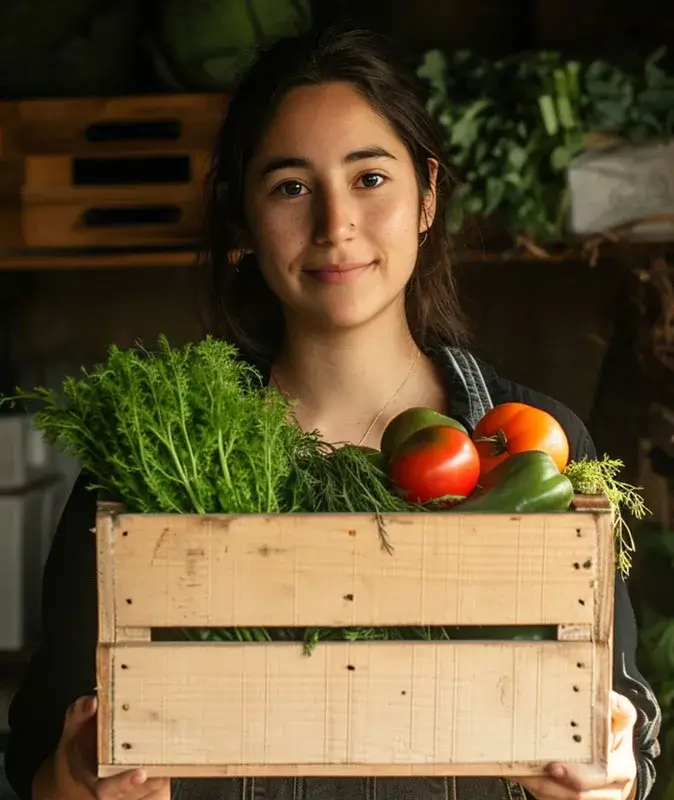
How to start farming successfully requires understanding that profitable agriculture combines passion for working with land and animals with solid business planning, realistic financial projections, strategic market selection, and phased implementation that builds skills and infrastructure gradually rather than attempting to launch full-scale operations immediately with insufficient experience, inadequate capital, or unclear markets for products.
Farming for beginners presents unique challenges including steep learning curves across production, business management, and marketing disciplines, significant capital requirements ranging from $50,000 for small diversified operations to $500,000+ for commodity-scale farms, multi-year timelines before achieving profitability with most new farms requiring 3-7 years to reach positive cash flow, and physical demands that test commitment daily through weather extremes, equipment breakdowns, crop failures, and market volatility.
However, profitable farming remains achievable for motivated beginners who approach agriculture as a serious business rather than romantic lifestyle, invest time in education and apprenticeship before purchasing land, start small with manageable acreage and livestock numbers enabling thorough learning without overwhelming resources, focus on high-value crops or products serving premium markets willing to pay above-commodity prices, develop direct marketing channels capturing retail rather than wholesale margins, and build financial reserves covering 12-24 months operating expenses to weather inevitable setbacks during establishment phase.
Starting a profitable farm in the modern era offers advantages previous generations lacked, including unprecedented access to educational resources through online courses, YouTube tutorials, farming podcasts, and university extension programs providing world-class agricultural education at minimal cost, technology tools enabling precision management and direct marketing that were prohibitively expensive or unavailable decades ago, growing consumer demand for local, organic, sustainably-produced food creating premium market opportunities, and supportive farming communities sharing knowledge through farmer networks, beginning farmer programs, and mentorship initiatives that accelerate learning and reduce costly mistakes.
Whether your agricultural vision includes vegetable production on 2-10 acres generating $50,000-$200,000 annually through intensive cropping and direct sales, pastured poultry and egg production on 5-20 acres earning $30,000-$100,000 with relatively low infrastructure investment, diversified livestock operations on 50-200 acres combining cattle, sheep, pigs, and agritourism for $75,000-$250,000 income, specialty crops like medicinal herbs, gourmet mushrooms, or cut flowers commanding premium prices on modest acreage, or larger-scale grain and livestock production requiring significant land and capital but offering economies of scale, this comprehensive guide provides step-by-step framework for transforming farming aspirations into viable agricultural businesses that support families, steward land responsibly, and contribute to local food systems while achieving financial sustainability through strategic planning, disciplined execution, and continuous learning.
Step 1: Self-Assessment and Goal Setting
Before investing time and capital, honest evaluation of motivation, skills, resources, and goals is essential:
Clarify Your Farming Motivation
Common Motivations (understand yours):
- Lifestyle change seeking rural living, outdoor work, connection to land
- Business opportunity pursuing agricultural income and wealth building
- Environmental stewardship managing land for conservation and regeneration
- Food security producing own food and serving local community
- Family legacy continuing agricultural heritage or creating new tradition
Reality Check: Successful farming requires all motivations align—lifestyle satisfaction alone won’t sustain you through financial struggles, pure profit motive won’t carry you through physical hardships, and environmental idealism must coexist with economic viability.
Assess Your Skills and Experience
Agricultural Knowledge:
- Do you have production experience through employment, internships, family farming, or serious hobby farming?
- Can you identify common crops, livestock breeds, pests, diseases, and soil types?
- Do you understand seasonal agricultural rhythms and labor demands?
Business Competence:
- Have you managed budgets, inventory, employees, or small businesses?
- Are you comfortable with marketing, sales, and customer relations?
- Can you handle bookkeeping, tax compliance, and financial planning?
Physical Capability:
- Can you perform sustained physical labor in heat, cold, rain, and snow?
- Do you have mechanical aptitude for equipment operation and repair?
- Are you willing to work 60-80 hour weeks during peak seasons?
Gap Analysis: Identify skill deficiencies requiring education, apprenticeship, or hiring expertise before launch.
Define Financial Resources
Available Capital:
- Savings available for investment: $________
- Access to credit or loans: $________
- Outside income supporting farm during establishment: $________
- Total resources available: $________
Realistic Budget Allocation:
- Land acquisition or lease: 40-60% of capital
- Equipment and infrastructure: 20-30%
- Operating capital (first 2 years): 20-30%
- Emergency reserve: 10-20%
Example: $200,000 available capital might allocate:
- Land (lease or purchase down payment): $80,000-$120,000
- Equipment (used tractor, implements, irrigation): $40,000-$60,000
- Operating expenses (seeds, feed, supplies, labor): $40,000-$60,000
- Reserve fund: $20,000-$40,000
Set Clear Goals
Production Goals:
- What will you grow or raise? (be specific about crops, livestock, acreage)
- What production methods align with values? (organic, conventional, regenerative)
- What scale feels manageable for first 3-5 years?
Financial Goals:
- Year 1: Break even or acceptable loss? $________
- Year 3: Target net income? $________
- Year 5: Desired farm profit? $________
- Long-term: Full-time farming income supporting family?
Lifestyle Goals:
- Hours willing to work weekly?
- Off-farm employment required initially?
- Family involvement expected or desired?
- Timeline for full-time farming transition?
Step 2: Agricultural Education and Experience
Invest heavily in learning before investing heavily in land and equipment:
Formal Education Options
University Programs:
- Four-year agriculture degrees: Comprehensive but time and cost intensive
- Certificate programs: 6-12 month focused training on specific production types
- Extension courses: Low-cost or free workshops and online learning
Farming Schools and Training Centers:
- CRAFT programs (Collaborative Regional Alliance for Farmer Training): Hands-on season-long training
- Organic farming apprenticeships: 6-12 month immersive experiences combining education and work
- Specialized courses: Holistic management, permaculture, specific crop/livestock production
Online Learning:
- Land grant university extension websites: Free research-based resources
- YouTube channels from established farmers: Practical real-world knowledge
- Farming podcasts: Learn while commuting or doing chores
- Online courses: Structured learning from successful farmers ($50-$500)
Practical Experience (Critical)
Farming Internships (highly recommended):
- Work on established farms learning production, marketing, business
- Typical compensation: $200-$600 weekly plus housing
- Duration: 6-12 months
- Value: Worth $10,000-$30,000 in avoided beginner mistakes
Farm Employment:
- Full-time or seasonal work providing income while learning
- Wages: $12-$20 per hour depending on experience and responsibilities
- Benefits: Income, experience, industry connections, potential mentorship
Volunteer and WWOOF (Worldwide Opportunities on Organic Farms):
- Work exchange for room, board, and learning
- No cash income but minimal expenses
- Flexibility to experience multiple farm types
Recommended Path: Spend minimum 1-2 growing seasons working on farms similar to your planned operation before launching your own. One year of hands-on experience is worth more than four years of classroom education for practical farming success.
Build Knowledge Networks
Join Farming Organizations:
- National Young Farmers Coalition
- Local sustainable agriculture networks
- Commodity-specific associations (vegetable growers, sheep producers, etc.)
- Farmers markets associations
Find Mentors:
- Experienced farmers willing to share knowledge
- Extension agents and agricultural educators
- Farm business consultants
- Retired farmers with wisdom to share
Attend Conferences and Field Days:
- Annual sustainable agriculture conferences: $100-$400 (worth 10x cost)
- Crop-specific field days: Often free, seeing production firsthand
- Equipment demonstrations: Learn about tools and technology
- Marketing workshops: Understanding sales channels
Step 3: Market Research and Business Planning
Successful farms sell products profitably—research markets before production:
Identify Target Markets
Market Options for Beginners:
Farmers Markets:
- Direct sales to consumers paying retail prices
- Low barriers to entry (vendor fees $15-$50 per market)
- Immediate customer feedback
- Requires strong interpersonal skills and marketing
- Typical sales: $300-$2,000 per market day for established vendors
Community Supported Agriculture (CSA):
- Subscription model with advance payment
- Guaranteed sales and working capital
- Requires consistent weekly production diversity
- Member shares: $400-$800 per season
- Typical CSA: 30-100 members generating $12,000-$80,000 annually
Restaurants and Retailers:
- Larger volume sales with reliable demand
- Wholesale pricing (40-60% of retail)
- Quality and consistency requirements
- Relationship building essential
- Minimum viable: $15,000-$50,000 annual sales to single buyer
Online Sales and Shipping:
- Access to broader geography
- Premium pricing for specialty products
- Requires packaging, cold chain, shipping logistics
- Best for shelf-stable or non-perishable items initially
Wholesale Distributors:
- Highest volume but lowest prices (30-50% of retail)
- Consistent demand and simple logistics
- Requires scale and certification (GAP, organic)
- Better for established farms than beginners
Market Research Activities:
- Visit farmers markets tracking vendors, products, prices, crowd size
- Survey restaurants about local purchasing interests
- Research CSA farms in area understanding demand and pricing
- Analyze online marketplaces for product pricing and demand
- Talk to buyers about volume needs, quality standards, delivery requirements
Develop Business Plan
A comprehensive business plan guides decisions and secures financing:
Executive Summary (2 pages):
- Farm description and production overview
- Market opportunity and target customers
- Financial highlights and funding needs
- Owner qualifications and experience
Production Plan (5-10 pages):
- Specific crops or livestock with varieties/breeds
- Acreage or animal numbers
- Production methods and practices
- Infrastructure and equipment needs
- Labor requirements and sources
- Timeline for establishment and scaling
Marketing Plan (5-8 pages):
- Target market segments with demographics
- Pricing strategy for all products
- Sales channels and distribution
- Marketing and promotion tactics
- Competitive analysis
- Sales projections by quarter
Financial Plan (10-15 pages):
- Startup costs detailed by category
- Three-year income projections
- Monthly cash flow for first two years
- Break-even analysis
- Profit and loss projections
- Balance sheet showing assets and liabilities
- Sensitivity analysis for price and yield variations
Management and Operations (3-5 pages):
- Organizational structure
- Owner and key personnel backgrounds
- Advisors and consultants
- Risk management and insurance
- Regulatory compliance plan
Resources: USDA provides free business plan templates, SCORE offers free mentoring, extension agents assist with financial projections.
Financial Projections
Realistic numbers prevent disillusionment and failure:
Startup Costs (example 5-acre vegetable farm):
- Land lease (annual): $1,000-$3,000
- Tractor and implements (used): $15,000-$35,000
- Irrigation system: $5,000-$15,000
- Greenhouse or high tunnel: $3,000-$12,000
- Seeds, amendments, supplies: $3,000-$8,000
- Marketing materials and website: $1,000-$3,000
- Insurance and licensing: $2,000-$5,000
- Total startup: $30,000-$81,000
First Year Revenue (conservative):
- 3 acres production (2 acres learning curve)
- Average $15,000-$25,000 per acre gross
- Total revenue: $45,000-$75,000
First Year Expenses:
- Seeds and inputs: $8,000-$15,000
- Labor (hired part-time): $10,000-$20,000
- Fuel and utilities: $3,000-$6,000
- Marketing and packaging: $3,000-$6,000
- Repairs and maintenance: $2,000-$5,000
- Insurance and fees: $2,000-$4,000
- Total expenses: $28,000-$56,000
First Year Net Income: $17,000-$19,000 (before owner labor compensation)
Realistic Assessment: Most beginning farms lose money or break even first 1-3 years. Plan accordingly with off-farm income or substantial reserves.
Step 4: Land Access and Selection
Land is farming’s most significant investment—choose wisely:
Land Access Options
Purchase:
- Advantages: Equity building, complete control, long-term security
- Disadvantages: High capital requirement ($3,000-$15,000+ per acre depending on location and quality), maintenance responsibility, reduced flexibility
- Best for: Farmers with substantial capital and long-term commitment to location
Lease:
- Advantages: Low initial capital ($25-$200 per acre annually), flexibility to relocate, test farming before purchase
- Disadvantages: Limited infrastructure investment incentive, lease insecurity, landlord restrictions
- Best for: Beginning farmers conserving capital for operations
Lease-to-Own:
- Advantages: Building equity while farming, locked-in purchase price, seller financing often available
- Disadvantages: Higher annual costs than simple lease, binding commitment
- Best for: Farmers with medium capital planning long-term establishment
Farm Incubator Programs:
- Advantages: Below-market lease, shared equipment, mentorship, infrastructure access
- Disadvantages: Limited duration (typically 3-5 years), location constraints, program requirements
- Best for: New farmers with limited capital and experience
Family Land:
- Advantages: Potentially free or low-cost access, family support
- Disadvantages: Family dynamics complicating business decisions, unclear succession arrangements
- Best for: Farmers with strong family communication and formal agreements
Land Selection Criteria
Soil Quality:
- Deep, well-drained loam ideal for most crops
- Soil testing reveals pH, organic matter, nutrient levels
- Avoid heavy clay (drainage issues) or pure sand (low fertility, poor water retention)
- Previous land use affects soil health (pasture better than row crops)
Water Access:
- Reliable water sources essential (well, pond, irrigation rights)
- Water quality suitable for crops and livestock
- Legal water rights confirmed (especially in arid regions)
- Irrigation infrastructure present or feasible to install
Topography:
- Gentle slopes (2-8%) provide drainage without erosion
- Flat areas require drainage management
- Steep slopes (>15%) limit crop options, increase erosion risk
- South-facing slopes extend growing season in northern climates
Climate and Microclimate:
- Frost-free days sufficient for intended crops
- Rainfall patterns matching production needs
- Wind exposure affecting crops and infrastructure
- Frost pockets or cold air drainage
Infrastructure:
- Buildings suitable for storage, processing, livestock housing
- Utilities available (electricity, water, potentially natural gas)
- Road access for deliveries and customers
- Fencing for livestock (if applicable)
Location:
- Distance to markets affecting transportation costs and time
- Proximity to population centers supporting direct sales
- Access to farm services (equipment dealers, veterinarians, feed mills)
- Quality of life factors (schools, healthcare, community)
Regulatory Environment:
- Zoning permitting intended agricultural uses
- Right-to-farm protections from neighbor complaints
- Water and environmental regulations
- Building codes affecting infrastructure development
Land Size for Beginners
Vegetable Production: 2-10 acres sufficient for full-time income through intensive production
- Gross revenue potential: $15,000-$35,000 per acre
- Labor: 200-400 hours per acre annually
- Market: Direct sales (farmers market, CSA, restaurants)
Pastured Poultry and Eggs: 5-20 acres supporting profitable operation
- 1,000-5,000 laying hens or 3,000-15,000 meat birds annually
- Revenue: $30,000-$150,000
- Infrastructure: $20,000-$80,000
Diversified Livestock: 50-200 acres for cattle, sheep, pigs, poultry combination
- Revenue potential: $50,000-$250,000
- Higher capital requirements: $100,000-$400,000
- 3-5 year timeline to full production
General Principle: Start smaller than feels comfortable—intensive management of less land generates more profit than extensive management of more land for beginners.
Step 5: Infrastructure and Equipment
Purchase what’s necessary, avoid luxury items:
Essential Equipment for Beginning Farms
Vegetable Farm (5 acres):
- Compact tractor (25-45 HP, used): $12,000-$28,000
- Rototiller: $2,000-$6,000
- Transplanter or seeder: $2,000-$8,000
- Cultivation tools: $1,000-$4,000
- Harvest bins and tools: $1,000-$3,000
- Irrigation system: $5,000-$15,000
- Walk-in cooler: $3,000-$12,000
- Total: $26,000-$76,000
Small Livestock Operation:
- Used truck for feed/animal hauling: $8,000-$25,000
- Fencing materials and installation: $2,000-$8,000 per acre
- Livestock shelter (can be simple): $3,000-$15,000
- Water systems: $1,000-$5,000
- Handling equipment: $1,000-$5,000
- Total: $15,000-$58,000
Equipment Acquisition Strategy:
- Buy used equipment saving 40-70% versus new
- Purchase from retiring farmers or auctions
- Start with minimal equipment, add as revenue allows
- Share expensive specialized equipment with neighbors
- Hire custom operators for infrequent tasks (no-till seeding, large equipment work)
Infrastructure Development Priorities
Year 1: Minimal investment in production infrastructure only
- Irrigation if essential for crops
- Basic fencing for livestock
- Simple shelters (can be repurposed buildings or tarps initially)
- Absolutely necessary storage
Year 2-3: Add efficiency and quality improvements
- Better storage (coolers, barns)
- Improved animal housing
- Irrigation expansion
- Processing facilities (on-farm vs. shared-use commercial kitchen)
Year 4-5: Invest in labor-saving and capacity-expanding infrastructure
- Greenhouses or high tunnels
- Automated systems (irrigation controllers, feeding equipment)
- Value-added processing facilities
- Customer amenities (parking, farm store)
Principle: Let revenue fund infrastructure expansion rather than borrowing heavily for infrastructure before generating income.
Step 6: Production Start and Scaling
Begin conservatively, learn thoroughly, scale strategically:
First Season Goals
Focus on Learning Not Maximizing Profit:
- Start 30-50% below planned full-scale production
- Master basics before adding complexity
- Expect mistakes and crop failures
- Document everything for continuous improvement
Example Vegetable Farm:
- Plan eventually farming 5 acres intensively
- Year 1: Farm 2 acres well rather than 5 acres poorly
- Focus on 8-12 crop types rather than 30-40
- Perfect production and marketing before expanding
Production Principles for Beginners
Simplicity Over Diversity:
- Fewer crops/livestock types managed well outperform many enterprises managed poorly
- Master production cycles, pest management, harvesting timing
- Understand market demand before expanding variety
Proven Crops and Methods:
- Start with regionally-adapted varieties and breeds
- Use proven production methods before experimenting
- Follow university extension recommendations
- Innovate after establishing baseline success
Labor Management:
- Realistic assessment of personal working capacity (40-60 hours weekly sustainable)
- Hire help for peak periods rather than managing overwhelming workload alone
- Consider work exchange programs (WWOOFers, interns) for labor and teaching opportunity
Record Keeping:
- Track planting dates, varieties, yields, markets, prices
- Document hours worked by enterprise
- Maintain financial records religiously
- Analyze data for continuous improvement
Scaling Strategy
Indicators You’re Ready to Scale:
- Consistently selling out of current production
- Mastered production practices with predictable yields
- Developed reliable market channels
- Positive cash flow covering operations and modest owner income
- Infrastructure and labor capacity for expansion
Scaling Approach:
- Increase production 30-50% annually rather than doubling
- Expand proven enterprises before adding new ones
- Add infrastructure ahead of production needs (planning 6-12 months ahead)
- Maintain financial reserves through growth (growth consumes cash)
Common Scaling Mistakes:
- Expanding faster than skill development
- Adding complexity before mastering basics
- Assuming markets will absorb increased production
- Undercapitalizing expansion leading to quality compromises
Step 7: Marketing and Customer Development
Growing exceptional products means nothing without customers:
Build Market Presence
Branding Basics:
- Farm name reflecting values or location
- Simple logo and consistent visual identity
- Story emphasizing practices, values, quality
- Professional materials (business cards, price lists, signage)
Online Presence:
- Website with product information, prices, ordering, farm story ($500-$3,000 professional site)
- Social media showing farm life, products, values (free, time investment)
- Email list for customer communication
- Online ordering if applicable
Offline Marketing:
- Farmers market booth with attractive displays
- Farm signage if retail sales on-site
- Community involvement and word-of-mouth
- Local media coverage (newspapers love farm stories)
Direct Sales Excellence
Customer Service:
- Friendly, knowledgeable interaction
- Consistent quality and availability
- Clear communication about offerings
- Responsiveness to feedback and requests
Pricing Strategy:
- Research competitor pricing
- Cost-plus pricing ensuring profitability
- Value-based pricing for superior quality or unique attributes
- Avoid competing on price alone—compete on quality, service, story
Sales Channels Management:
- Start with 1-2 channels, master them, then expand
- Calculate profitability by channel (farmers market vs. CSA vs. wholesale)
- Focus on highest-margin, most enjoyable channels
- Maintain professional relationships with all buyers
Financial Management for Beginning Farmers
Budgeting and Cash Flow
Monthly Cash Flow Planning:
- Project income by month recognizing seasonality
- Plan expenses matching income timing
- Identify shortfall months requiring reserves or credit
- Adjust spending to available cash
Separate Business and Personal Finances:
- Business checking account and credit card
- Pay yourself set wage from business
- Track all business expenses for tax purposes
- Maintain clear records for accounting and taxes
Financial Metrics to Monitor:
- Gross revenue by enterprise
- Net profit by enterprise
- Total farm net income
- Debt-to-asset ratio (if leveraged)
- Working capital (current assets minus current liabilities)
Securing Financing
Funding Sources:
- Personal savings (least expensive, no debt burden)
- Family loans (formalize with written agreements)
- Farm Service Agency (FSA) beginning farmer loans (favorable terms, patient capital)
- Local banks with agricultural lending experience
- Crowdfunding for specific projects
- Grants for conservation, organic transition, specific demographics
Loan Preparation:
- Comprehensive business plan
- Three years financial projections
- Personal financial statement
- Collateral documentation
- Agricultural experience and education summary
Conclusion
How to start farming successfully requires combining agricultural passion with business discipline, investing heavily in education and mentorship before land and equipment, starting small with manageable scale enabling thorough learning, focusing on high-value products serving premium markets, developing direct marketing capturing retail margins, and maintaining financial reserves weathering inevitable setbacks during the 3-7 year establishment period. Farming for beginners presents challenges including steep learning curves, significant capital requirements, multi-year timelines to profitability, and relentless physical demands, but remains achievable for committed individuals following strategic approaches.
Profitable farming emerges from realistic planning acknowledging that most farms require 3-5 years reaching positive cash flow, conservative initial scaling farming 30-50% of eventual planned capacity while perfecting production and marketing, diversified income streams reducing dependence on single products or markets, continuous learning through courses, conferences, mentorship, and experimentation, and patient capital funding operations through establishment without excessive debt burden.
By thoroughly researching markets before production, starting with proven crops or livestock suited to regional conditions, building infrastructure gradually as revenue allows rather than heavy upfront investment, mastering 2-3 enterprises before expanding to 5-10, and maintaining detailed financial records enabling data-driven decisions, beginning farmers transform agricultural dreams into viable businesses supporting families while stewarding land and serving communities with wholesome food.
1 reply on “Beginner’s Guide to Starting a Profitable Farm”
Thank you