

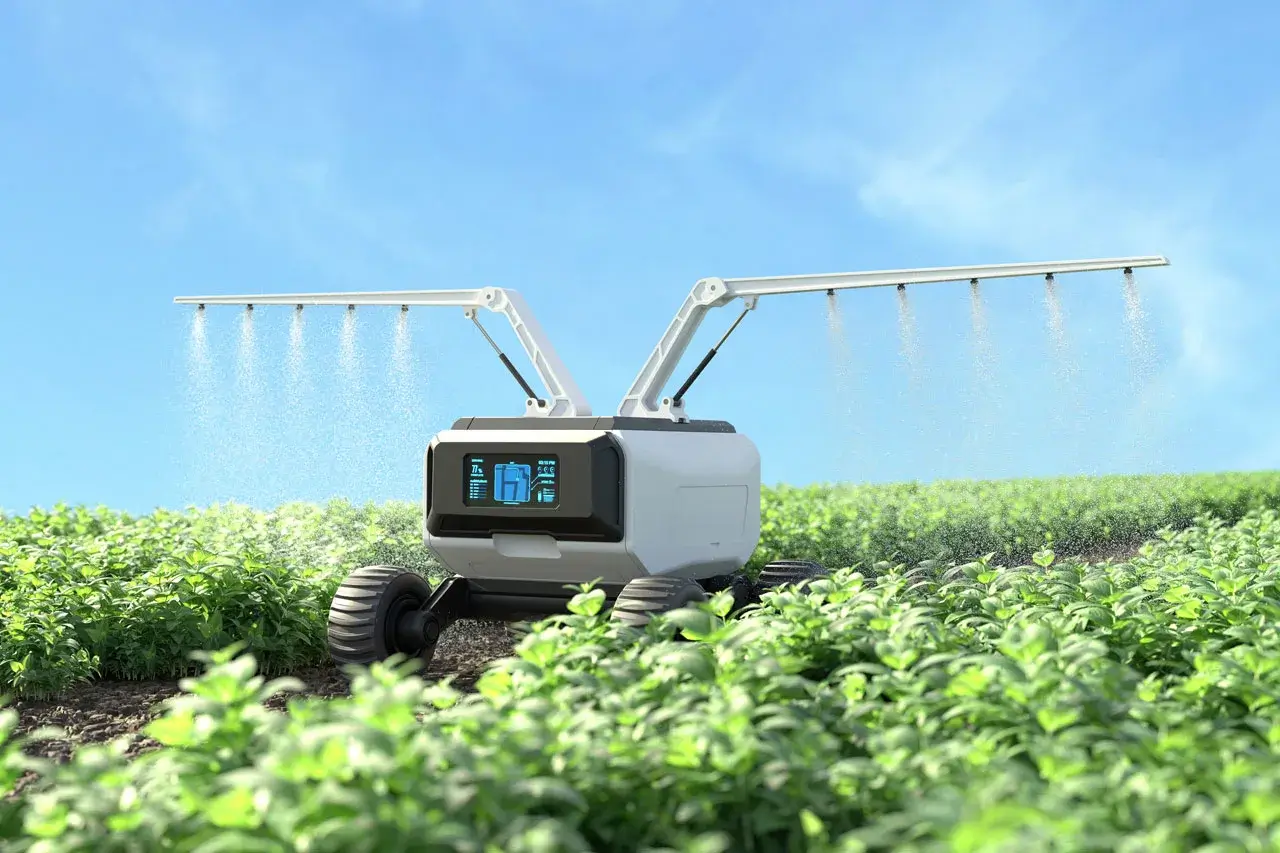
Farm technology changing yield has revolutionized modern agriculture, transforming how farmers plant, monitor, manage, and harvest crops through precision tools that optimize every input and decision to maximize productivity while minimizing waste and environmental impact.
Advanced technologies including GPS-guided tractors, drone imagery, soil sensors, variable rate application systems, automated irrigation controllers, yield monitors, and artificial intelligence-powered analytics now enable farmers to achieve 10-35% higher yields compared to traditional methods while simultaneously reducing seed costs by 5-15%, fertilizer use by 15-30%, water consumption by 20-40%, and pesticide applications by 25-50%.
If you’re a farmer seeking to increase profitability, improve resource efficiency, enhance sustainability, or remain competitive in an increasingly technology-driven industry, understanding how precision agriculture tools—from $500 smartphone apps analyzing crop health to $500,000 autonomous equipment systems—deliver measurable yield improvements through data-driven decision making, site-specific management, real-time monitoring, and optimized timing transforms farming from experience-based guesswork into science-backed precision that consistently delivers superior results regardless of field variability, weather challenges, or market pressures.
Precision agriculture technology adoption accelerates globally as farmers recognize that modern equipment and digital tools provide competitive advantages that traditional farming methods simply cannot match, with research from universities, USDA Agricultural Research Service, and commercial precision agriculture companies consistently demonstrating that technology-enabled farms outperform conventional operations across virtually every metric while building long-term sustainability and resilience.
Whether you’re managing 100 acres or 10,000, growing corn, soybeans, wheat, cotton, vegetables, fruits, or specialty crops, technology solutions ranging from affordable entry-level tools like smartphone-based scouting apps and basic GPS guidance to sophisticated systems including variable rate prescription mapping, automated section control, robotic weeders, and machine learning crop models create opportunities to optimize planting populations, fine-tune nutrient applications to soil variability, precisely time irrigation and pesticide applications, identify problems before they cause significant yield loss, and ultimately harvest 15-40% more production from the same land while reducing input costs 10-25% and environmental impacts 20-50% compared to blanket, uniform management approaches that ignore within-field variability and fail to leverage real-time data for adaptive decision making.
Understanding How Technology Improves Yields
Agricultural technology impacts yields through multiple interconnected mechanisms that optimize growing conditions, reduce losses, and maximize genetic potential of crops.
Precision Planting and Seeding
Modern planting technology ensures optimal seed placement, spacing, and depth for maximum germination and establishment:
GPS-Guided Planters with Auto-Steer ($3,000-$15,000 per tractor):
- Sub-inch accuracy eliminates gaps and overlaps
- Straight rows optimize light interception and equipment efficiency
- Consistent spacing prevents plant competition
- Reduces operator fatigue enabling longer, more accurate planting windows
Yield Impact: 3-8% increase from improved stand establishment and reduced skips/doubles
Variable Rate Seeding ($8,000-$25,000 upgrade):
- Adjusts planting population based on soil productivity zones
- Higher populations on productive soils, lower on marginal areas
- Optimizes seed investment ($40-$150/acre corn seed)
- Prevents overseeding low-potential areas and underseeding high-potential zones
Yield Impact: 5-12% increase through optimized populations matching site potential
Precision Depth Control (integrated in modern planters):
- Maintains consistent seed depth despite terrain variation
- Ensures uniform emergence and development
- Critical for small-seeded crops (soybeans, vegetables)
Yield Impact: 4-10% improvement from uniform emergence
Case Example: Iowa corn farmer increased yields from 185 bu/acre average to 215 bu/acre (16% increase) by implementing GPS guidance, variable rate seeding, and precision depth control across 1,200-acre operation. Seed costs remained stable while revenue increased $36,000 annually.
Precision Nutrient Management
Technology enables farmers to apply exact nutrient quantities where needed, when needed, in forms plants can utilize:
Soil Mapping and Grid Sampling ($8-$15/acre one-time):
- GPS-referenced soil samples every 1-2.5 acres
- Reveals nutrient variability invisible to eye
- Creates prescription maps for variable rate application
- Updates every 3-5 years to track changes
Variable Rate Fertilizer Application ($12,000-$35,000 controller):
- Adjusts application rates on-the-go based on prescription maps
- Prevents over-application on high-fertility areas (waste and environmental harm)
- Provides adequate nutrition to deficient zones
- Optimizes expensive inputs (nitrogen $0.50-$0.80/lb, phosphate $0.60-$0.90/lb)
Yield Impact: 8-18% increase from matching nutrients to soil variability and crop needs
Crop Sensors and Real-Time Adjustment ($15,000-$40,000 systems):
- Optical sensors measure crop nitrogen status during growing season
- Adjust fertilizer rates in real-time based on actual plant needs
- Respond to weather impacts on nutrient availability
- Prevent deficiency and excess
Yield Impact: 5-15% improvement through optimized in-season nutrition
Yield Monitor Data Integration ($8,000-$20,000):
- Previous year’s yield maps inform current year nutrient prescriptions
- High-yielding zones receive adequate nutrition for continued production
- Low-yielding areas investigated for limiting factors beyond fertility
Economic and Environmental Benefits:
- Fertilizer cost reduction: 15-30% through precise application
- Nutrient runoff reduction: 25-40% preventing water pollution
- Carbon footprint reduction: 10-20% from optimized nitrogen use
Case Example: Minnesota soybean and corn farmer reduced nitrogen application from uniform 180 lbs/acre to variable rate averaging 145 lbs/acre while increasing corn yields from 168 to 189 bu/acre (12.5% increase). Annual savings: $8,400 in nitrogen costs plus $12,600 additional revenue from higher yields.
Precision Irrigation Management
Water management technology ensures crops receive optimal moisture throughout growing season:
Soil Moisture Sensors ($200-$800 per sensor):
- Real-time measurement of soil water content at root zone
- Wireless transmission to smartphone or computer
- Prevents under and over-irrigation
- Strategic placement in representative field locations
Yield Impact: 10-25% in irrigated crops through optimal water management
Weather Station Integration ($500-$3,000):
- Measures evapotranspiration, rainfall, temperature, humidity
- Predicts irrigation needs based on crop water use
- Adjusts schedules for upcoming weather
- Prevents unnecessary irrigation before rain events
Variable Rate Irrigation ($25,000-$100,000+ for center pivot retrofits):
- Adjusts water application rates based on soil type, topography, crop needs
- Individual sprinkler control along pivot length
- Accounts for elevation changes, soil texture variation
- Maximizes water use efficiency
Yield Impact: 15-30% improvement in water-limited environments
Automated Irrigation Controllers ($2,000-$8,000):
- Remote operation via smartphone apps
- Scheduled irrigation based on crop stage and weather forecasts
- Immediate response to changing conditions
- Reduces labor while improving precision
Benefits Beyond Yield:
- Water savings: 20-40% through precision timing and amounts
- Energy cost reduction: 15-30% from optimized pumping
- Labor savings: 40-60% from automation
Case Example: California almond grower implemented soil moisture sensors, weather stations, and automated controllers across 280-acre orchard. Water use decreased 32% while yields increased from 2,200 lbs/acre to 2,850 lbs/acre (29.5% increase). Annual water and energy savings: $18,200; additional nut revenue: $91,000.
Remote Sensing and Crop Monitoring
Aerial imagery and satellite data enable early problem detection and corrective action:
Drone and Satellite Imagery ($500-$5,000 annually for services or $1,500-$25,000 for owned drones):
- Multispectral imaging reveals crop stress invisible to human eye
- Identifies nutrient deficiencies, disease outbreaks, pest damage, irrigation issues
- Detects problems 1-3 weeks before visible symptoms appear
- Provides field-wide view impossible from ground level
Yield Protection: 5-20% by catching problems early for timely intervention
NDVI and Vegetation Index Mapping:
- Quantifies crop health and vigor across entire field
- Tracks seasonal development and identifies underperforming zones
- Guides scouting to specific problem areas
- Documents crop conditions for insurance claims
Thermal Imaging (specialized drones or sensors):
- Detects irrigation system malfunctions
- Identifies water stress before wilting visible
- Reveals drainage problems and wet spots
- Finds diseased areas through temperature differences
Prescription Application from Imagery:
- Variable rate fungicide application targeting diseased areas only
- Spot spraying weeds identified through image processing
- Targeted insecticide applications reducing total pesticide use 30-60%
Case Example: Nebraska corn farmer uses weekly drone flights during growing season. Early detection of iron deficiency chlorosis in 40-acre zone enabled foliar micronutrient application preventing estimated 25 bu/acre yield loss in affected area. Net benefit: $4,000 additional revenue minus $800 imagery and treatment costs.
Precision Pest and Disease Management
Technology enables targeted pest control minimizing chemical use while maximizing effectiveness:
Weather-Based Disease Models ($300-$1,500 annually for software subscriptions):
- Predicts disease risk based on temperature, humidity, leaf wetness
- Recommends fungicide timing for maximum effectiveness
- Prevents unnecessary applications during low-risk periods
- Ensures timely protection during high-risk conditions
Yield Protection: 8-20% through optimal disease management timing
Weed Mapping and Spot Spraying ($15,000-$80,000 for precision sprayers):
- Camera systems identify weeds vs. crops in real-time
- Apply herbicides only where weeds present
- Reduces herbicide use 50-80% in many fields
- Delays herbicide resistance development
Insect Monitoring Technology ($500-$3,000 for trap networks and apps):
- Pheromone traps with automated counters
- Smartphone apps for rapid pest identification and threshold tracking
- Degree-day calculators predicting pest life cycles
- Targeted application timing for maximum pest impact, minimum beneficial insect harm
Benefits:
- Pesticide cost reduction: 25-50% through precision targeting
- Environmental impact reduction: 40-70% less chemical entering ecosystems
- Beneficial insect preservation: 30-60% more natural pest control
- Resistance management: Extended herbicide/insecticide effectiveness
Yield Monitoring and Data Analytics
Harvest-time technology and post-season analysis inform continuous improvement:
Combine Yield Monitors ($8,000-$20,000):
- GPS-referenced yield measurement across field
- Creates detailed yield maps showing spatial variation
- Identifies consistently high and low-performing areas
- Measures effectiveness of management changes year-over-year
Long-Term Value: Foundation for all precision agriculture decisions
Data Management Platforms ($500-$5,000 annually):
- Centralize data from all farm equipment and sensors
- Overlay yield, soil, imagery, weather, and application data
- Identify correlations and limiting factors
- Generate variable rate prescriptions automatically
Artificial Intelligence and Machine Learning (emerging technology):
- Analyzes years of farm data to predict optimal strategies
- Recommends hybrid/variety selections for specific field zones
- Forecasts yields based on current conditions
- Identifies subtle patterns invisible to human analysis
Yield Improvement: 10-30% over 3-5 years through data-driven continuous improvement
Case Example: Illinois grain farmer collected five years of yield monitor data, soil maps, and weather information. Data analytics revealed consistent underperformance in field corners due to compaction from equipment turns. Targeted deep tillage and cover crop treatment in affected areas (23 acres total across farm) increased yields in those zones from 145 bu/acre to 178 bu/acre (22.8% increase). Annual benefit: $2,400.
Technology Adoption Levels and Investment Returns
Farmers can enter precision agriculture at multiple investment levels:
Entry Level ($2,000-$10,000 initial investment)
Technologies:
- Smartphone apps for scouting, pest ID, weather tracking
- Basic GPS guidance (foam markers or lightbars)
- Soil testing and mapping services
- Free satellite imagery platforms
- Weather stations
Expected Returns:
- Yield improvement: 3-8%
- Input savings: 5-12%
- Payback period: 1-2 years
Best For: Small farms, beginning precision ag adoption, testing before larger investments
Intermediate Level ($15,000-$75,000)
Technologies:
- Auto-steer GPS systems
- Variable rate controllers for fertilizer/seed
- Yield monitors
- Soil moisture sensors
- Drone services or basic drone ownership
- Precision sprayers with section control
Expected Returns:
- Yield improvement: 8-18%
- Input savings: 12-25%
- Payback period: 2-4 years
Best For: Medium to large farms ready for significant precision agriculture integration
Advanced Level ($100,000-$500,000+)
Technologies:
- RTK GPS networks (sub-inch accuracy)
- Complete variable rate systems (seeding, fertilizer, irrigation)
- Owned drone fleets with processing software
- Robotic weeders or autonomous equipment
- Comprehensive data management platforms
- Advanced sensors and in-field monitoring
Expected Returns:
- Yield improvement: 15-35%
- Input savings: 20-40%
- Labor reduction: 25-50% for some operations
- Payback period: 3-7 years
Best For: Large operations, high-value crops, farms prioritizing sustainability and long-term competitiveness
Technology Implementation Strategies
Start with High-Impact, Lower-Cost Tools
Priority 1: GPS guidance and yield monitoring provide foundation for precision agriculture at moderate cost ($10,000-$25,000) with clear return on investment.
Priority 2: Soil mapping and variable rate fertilizer application address typically largest variable input cost with measurable savings and yield improvements.
Priority 3: Remote sensing (drone services before ownership) enables early problem detection across entire farm with flexible cost structure.
Leverage Cost-Share Programs
USDA NRCS Environmental Quality Incentives Program (EQIP):
- Cost-share up to 75% for conservation-focused precision agriculture
- Covers soil testing, variable rate equipment, GPS systems supporting conservation
- Application deadlines typically early in calendar year
State and Regional Programs:
- Many states offer additional precision ag incentives
- Water conservation districts may fund irrigation technology
- Check with local NRCS, extension, or conservation districts
Consider Equipment Sharing and Services
Custom Application Services:
- Variable rate application without equipment ownership
- Drone imaging services: $5-$15/acre
- Soil sampling services: $8-$15/acre
- Professional agronomist consultation: $20-$40/acre
Equipment Cooperatives:
- Share expensive equipment (precision planters, sprayers) among neighbors
- Reduces individual capital outlay
- Access to technology otherwise unaffordable
Invest in Training and Support
Technology delivers benefits only when properly utilized:
Education Resources:
- University extension precision ag programs (often free)
- Equipment dealer training and support
- Precision ag conferences and field days
- Online courses and webinars
Professional Agronomist Support ($15-$40/acre):
- Interpret data and recommend actions
- Develop variable rate prescriptions
- Maximize return on technology investment
- Particularly valuable during first 2-3 years of adoption
Overcoming Technology Adoption Barriers
Challenge: High upfront costs and uncertain returns
Solutions:
- Start with lower-cost, high-impact technologies
- Utilize cost-share programs reducing out-of-pocket expense 50-75%
- Consider used equipment markets (GPS systems, controllers) at 40-60% discounts
- Calculate returns conservatively; most farmers exceed expectations
Challenge: Technology complexity and learning curve
Solutions:
- Prioritize user-friendly systems with strong dealer support
- Attend training programs before and after purchase
- Start with single technology, master it, then add additional tools
- Join farmer networks sharing precision ag experiences
Challenge: Data management and information overload
Solutions:
- Use integrated platforms consolidating data from multiple sources
- Work with agronomist or consultant to interpret data initially
- Focus on actionable insights rather than collecting data for its own sake
- Start simple; complexity can increase as skills develop
Challenge: Compatibility between different technology brands
Solutions:
- Research compatibility before purchasing
- Prioritize open-source platforms accepting data from multiple manufacturers
- Use universal file formats (shapefiles, GeoJSON) when possible
- Consider single-brand ecosystems for seamless integration despite higher cost
Challenge: Lack of rural broadband for data transfer
Solutions:
- Many systems store data locally, syncing when connectivity available
- Cellular data sufficient for most real-time applications
- Satellite internet improving in rural areas
- Some technologies operate completely offline with manual data transfer
Future Technology Trends
Autonomous Equipment: Self-driving tractors and implements will reduce labor requirements 50-80% while enabling 24-hour operations during critical windows. Early commercial systems available now; widespread adoption expected within 5-10 years.
Artificial Intelligence Crop Advisors: Machine learning systems will analyze satellite imagery, weather data, soil information, and market prices to provide daily recommendations optimizing profitability. Accuracy improving rapidly; many farmers already using AI-powered decision support.
Robotic Weeders and Harvest Assistants: Individual plant-level management through computer vision and precise mechanical or laser intervention. Already commercial in some specialty crops; expanding to row crops.
Sensor Networks: Dense networks of soil, weather, and plant sensors providing real-time field conditions. Costs declining rapidly making widespread adoption feasible.
Biological Monitoring: Rapid on-farm testing of soil biology, pest DNA, disease presence enabling precision biological management. Emerging technology with significant potential.
Conclusion
Farm technology changing yield represents more than incremental improvements—it fundamentally transforms agriculture from uniform management assuming field homogeneity to precision systems recognizing and responding to spatial and temporal variability. Research and farmer experience consistently demonstrate that technology adoption increases yields 10-35%, reduces input costs 10-30%, improves sustainability 20-50%, and enhances profitability 15-40% compared to conventional farming approaches.
Whether investing $2,000 in entry-level smartphone apps and GPS guidance or $200,000 in comprehensive precision agriculture systems, technology delivers measurable returns through optimized planting, precise nutrient and water management, early problem detection, targeted pest control, and data-driven continuous improvement. By starting with high-impact tools matching farm size and budget, leveraging cost-share programs, investing in training and support, and planning for gradual expansion as skills and confidence develop, farmers of all scales can harness technology’s power to maximize yields, minimize waste, and build profitable, sustainable operations positioned for long-term success in increasingly competitive and environmentally-conscious agricultural markets.