

Nature’s Farm, Pure Harvest
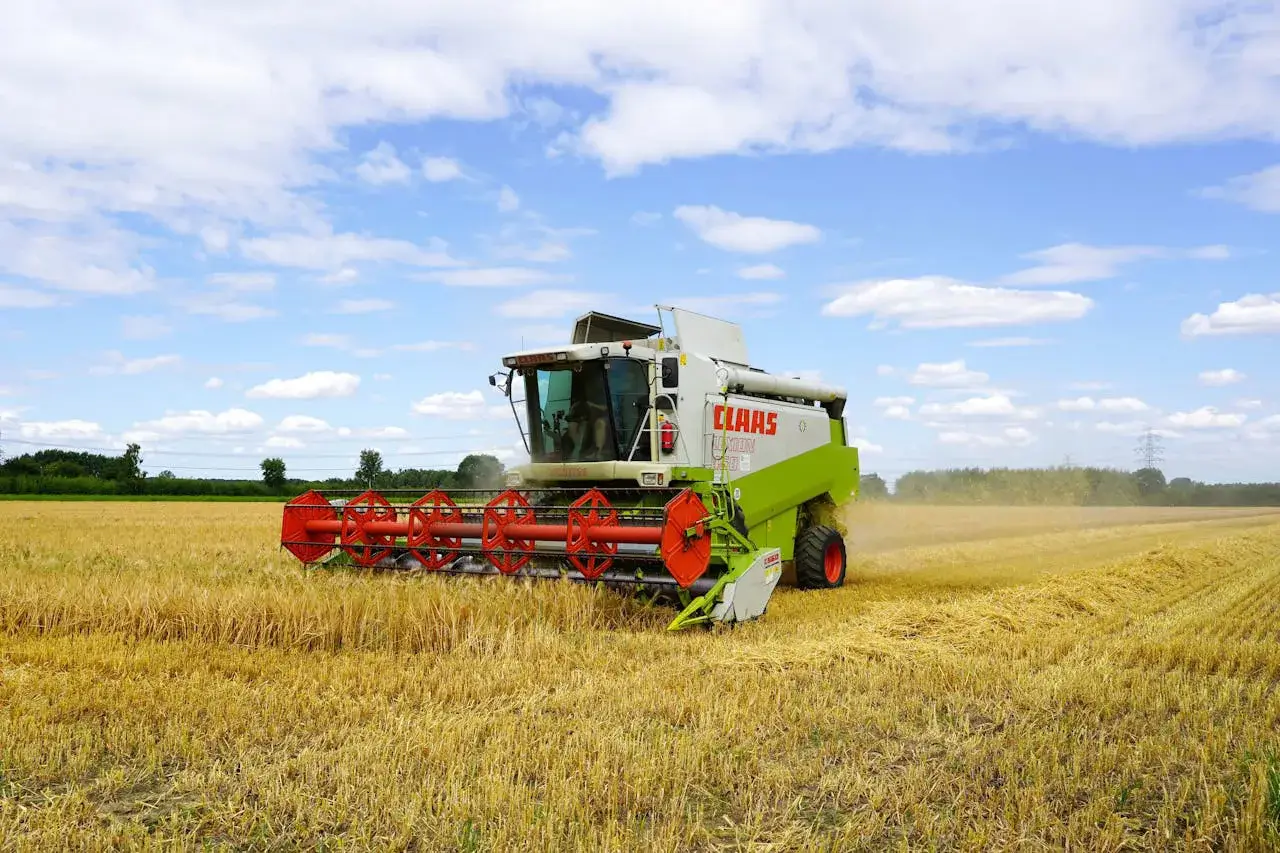
Agriculture plays a crucial role in providing the food that sustains human life. As the world becomes more aware of environmental challenges and the importance of healthy living, there is a growing focus on farming practices that prioritize both ecological balance and human well-being. The concept of “Cultivating Nature’s Best, Harvesting Health” reflects an approach to agriculture that emphasizes sustainable farming, natural crop production, and the delivery of nutritious food.
This philosophy highlights the importance of working in harmony with nature to produce crops that are not only productive but also beneficial to the environment and consumers. By adopting natural farming techniques and responsible land management practices, farmers can cultivate healthy crops while preserving the natural resources that support agriculture.
The Connection Between Nature and Agriculture
Nature provides the essential elements that agriculture depends on: fertile soil, water, sunlight, and biodiversity. Healthy ecosystems support crop growth, improve soil fertility, and maintain ecological balance.
When farmers work with natural systems rather than against them, agriculture becomes more sustainable and productive. Natural farming approaches encourage practices that enhance soil health, protect beneficial organisms, and maintain environmental stability.
These practices help farmers produce food that is both nutritious and environmentally responsible.
Soil Health as the Foundation of Healthy Crops
One of the most important aspects of cultivating nature’s best crops is maintaining healthy soil. Soil serves as the foundation for plant growth and provides essential nutrients that crops need to thrive.
Healthy soil contains organic matter, microorganisms, and balanced nutrients that support plant development. Farmers who focus on improving soil fertility through natural methods often experience stronger crop growth and better yields.
Practices that support soil health include:
-
Composting and organic fertilizers
-
Crop rotation
-
Cover cropping
-
Reduced soil disturbance
These techniques help build long-term soil productivity and ensure sustainable crop production.
Natural Crop Management Practices
Natural crop management involves reducing the reliance on synthetic chemicals and instead using biological and ecological methods to manage crops.
Farmers can maintain healthy crops by:
-
Encouraging beneficial insects that control pests
-
Planting diverse crop varieties to reduce disease risks
-
Using natural pest control solutions
-
Maintaining healthy soil ecosystems
By applying these practices, farmers can reduce environmental impact while maintaining crop quality and productivity.
Producing Healthier Food for Consumers
Consumers today are increasingly interested in how their food is produced. Many people prefer food grown using sustainable and natural farming methods because it aligns with environmental responsibility and personal health concerns.
Farming systems that prioritize natural processes often produce crops that are fresh, nutritious, and grown with minimal chemical inputs. These practices contribute to food systems that support both environmental sustainability and public health.
Farmers who cultivate nature’s best crops also contribute to building stronger trust between producers and consumers.
Supporting Environmental Sustainability
Agricultural practices that work in harmony with nature play an important role in protecting the environment. Sustainable farming methods help reduce soil erosion, conserve water resources, and protect biodiversity.
Nature-based farming practices also help maintain ecosystems that support wildlife and beneficial organisms. These organisms contribute to pollination, pest control, and soil health, all of which are essential for productive agriculture.
By cultivating crops responsibly, farmers help protect the natural systems that sustain life.
Strengthening Sustainable Farming Systems
The concept of cultivating nature’s best crops goes beyond individual farms. It reflects a broader movement toward sustainable agriculture that benefits communities, ecosystems, and future generations.
Farmers who adopt sustainable practices often build resilient farming systems that can adapt to environmental challenges such as climate change, water scarcity, and soil degradation.
These systems help ensure that agriculture remains productive while protecting the resources needed for long-term food production.
The Role of Education and Innovation
Education and agricultural innovation play important roles in promoting sustainable farming practices. Farmers who have access to knowledge and modern agricultural insights are better equipped to implement effective nature-based farming systems.
Organizations, agricultural platforms, and educational initiatives can help farmers learn practical techniques that improve crop health, increase productivity, and protect the environment.
At Global Farm Value, promoting knowledge about sustainable agriculture is part of the mission to help farmers cultivate productive farms while preserving natural resources.
Conclusion
“Cultivating Nature’s Best, Harvesting Health” represents a vision of agriculture that prioritizes sustainability, environmental stewardship, and the production of nutritious food. By working in harmony with nature, farmers can grow healthy crops, protect ecosystems, and support long-term agricultural productivity.
As agriculture continues to evolve, adopting natural and sustainable farming practices will remain essential for feeding the global population while safeguarding the planet. Through responsible farming methods and continued education, farmers can cultivate healthier crops and contribute to a more sustainable future for agriculture and humanity.